
TL;DR
Both the Interislander and Bluebridge ferry services cross Cook Strait between Wellington (North Island) and Picton (South Island) — the crossing takes around 3–3.5 hours. Book online and select 'campervan' as your vehicle type. You'll need to provide your vehicle's length, height, and width. Fares vary but budget around NZ$180–250 per vehicle each way. Book well in advance for summer travel — the crossing sells out. Arrive at the terminal 45–60 minutes before departure.
There is one way to get a campervan between New Zealand's two islands, and it is the Cook Strait ferry between Wellington and Picton. No bridge, no tunnel, no alternative — which makes it the single most important booking on any trip that covers both islands.
The crossing takes **3.5 hours** (Interislander), runs several times a day, and in summer sells out weeks ahead. Here is what to know before you book it.
Who runs the Cook Strait ferry?
Two operators, both carrying vehicles, both on the same Wellington–Picton route.
**Interislander** is the state-owned operator and generally the larger ships. **Bluebridge** is the private competitor. Sailing times differ, so between them you have more departures than either alone — worth checking both when your dates are tight.
Neither is dramatically better for a campervan. Compare on the sailing time that fits your day and the price on your dates rather than on the brand.
How much does it cost with a campervan?
More than a car, because vehicles are priced by length, and a campervan is long.
That is the single most useful thing to know when budgeting: a six-metre motorhome is in a different bracket from a five-metre campervan, and both are well above a hire car. Get a quote for your actual vehicle length rather than assuming a car fare with a bit added.
The cheapest crossings are generally the least convenient ones — early morning and overnight sailings — and prices climb as departures fill. Booking early is the real saving.
How far ahead should you book?
For December and January, as soon as your dates are fixed. This is not the usual travel-writing caution: it is the only crossing, the whole country's summer holiday moves across it, and sailings genuinely sell out.
March to November you have more room, though a specific sailing on a specific day can still be full. Because the ferry sets the shape of the whole itinerary, book it before the campsites and the walks.
What is the crossing actually like?
One of the better boat trips you will take, and occasionally one of the worse ones.
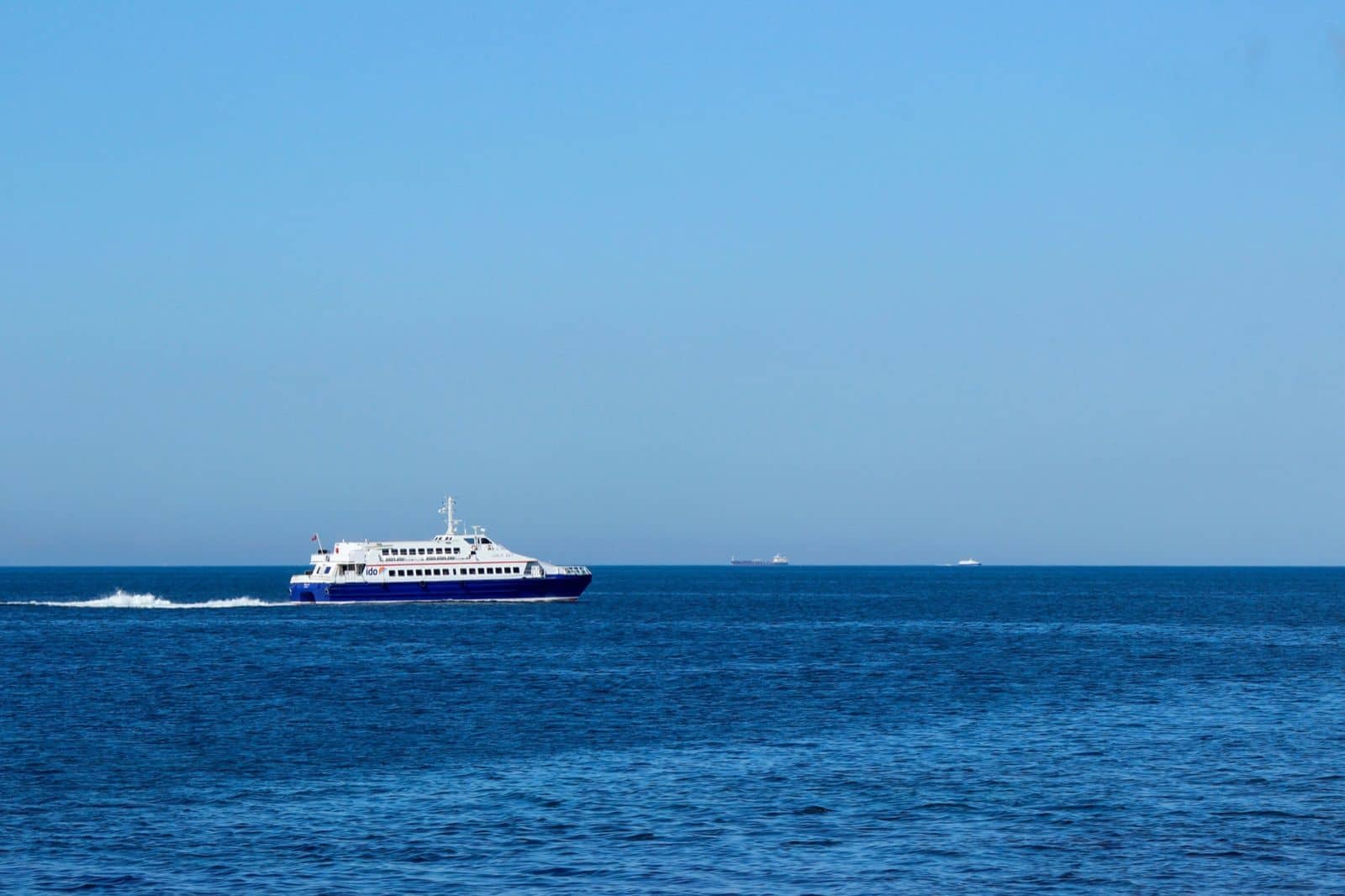
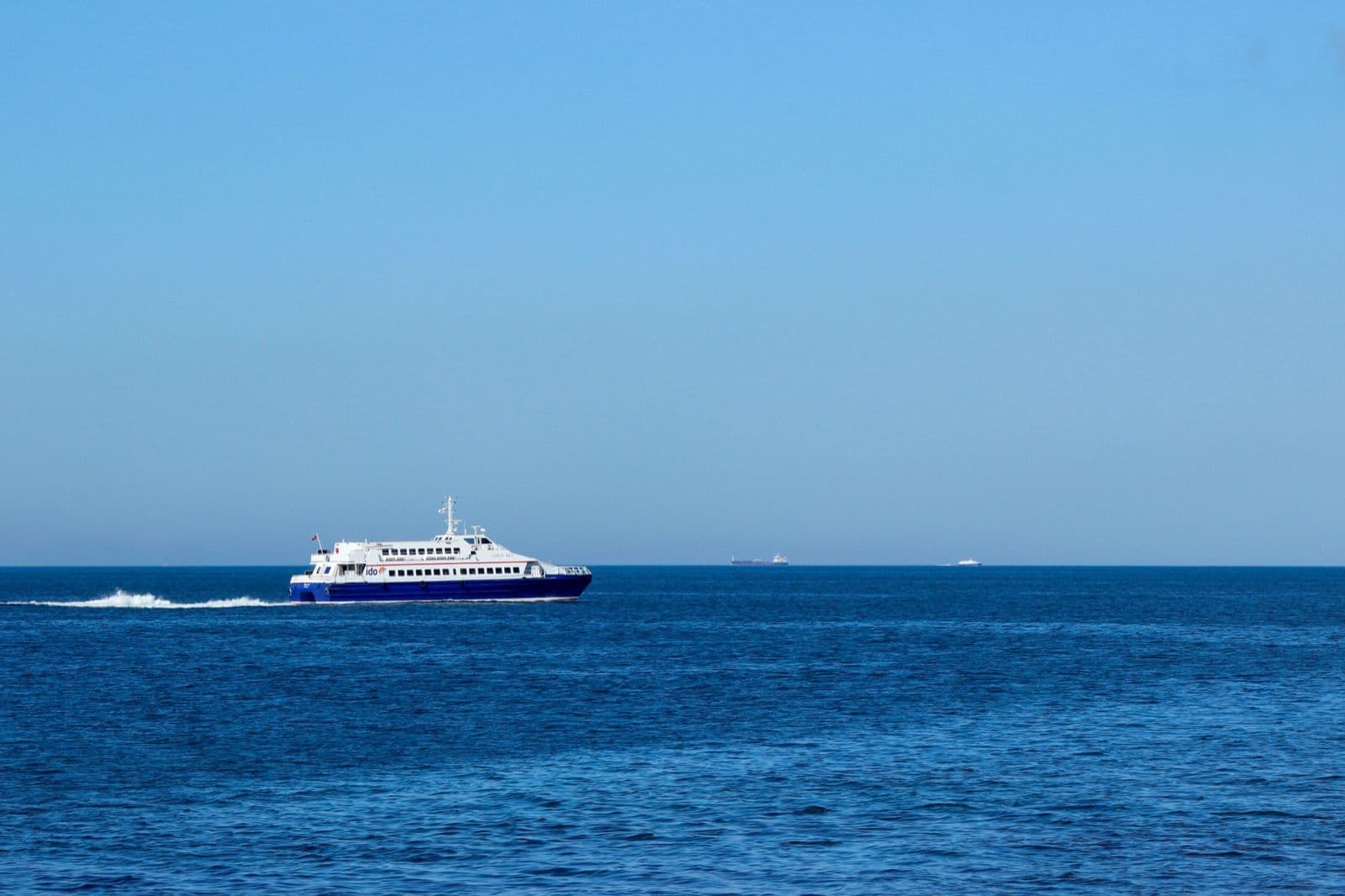
The Wellington end crosses open water. The Picton end runs through the **Marlborough Sounds** for the last hour — a drowned river valley of steep green inlets that most people photograph the entire way. On a clear day it is worth staying on deck for.
The open-water middle can be rough. Cook Strait sits where the Tasman Sea meets the Pacific and funnels between two land masses; it has a reputation among sailors for a reason. If you are prone to seasickness, take something before boarding rather than after.
You leave your vehicle on the car deck and travel in the passenger lounges — you cannot stay in the camper during the crossing. Take what you need for four hours with you: a jacket, something to read, and anything you want to eat that you would rather not buy on board.

What do you need to do with the campervan?
- **Declare the length correctly** when booking. Getting it wrong is a problem at the terminal rather than a saving.
- **Turn off the gas** at the bottle before boarding, and expect to confirm you have done it.
- **Arrive in good time.** Vehicle check-in closes well before departure, and the queue at Wellington in summer is long.
- **Empty the toilet and grey water first** if you can — dump stations near the terminals are busy at exactly the times everyone is sailing.
- **Take valuables with you.** The car deck is closed during the crossing and you will not be able to go back down.
What happens if the sailing is cancelled?
It happens, mostly in winter and mostly for wind rather than swell. Operators rebook you on the next available sailing, which in summer can be the following day.
The practical protection is a buffer day. If you have a flight home two days after the crossing, that is fine. If you have one the next morning, you are relying on the weather, and Cook Strait is not somewhere to do that. Build the slack in on the ferry rather than anywhere else in the trip.
Can you avoid the ferry altogether?
Yes, and for shorter trips it is often the better answer.
Two weeks is a fortnight where the ferry costs you a day at each end for the privilege of halving your time in both places. One island done properly beats two done at speed — our North Island itinerary is built that way.
The other option is hiring separately on each island and flying between them. That skips the crossing and the vehicle fare, but you pay for two rentals and lose the Sounds, which is a real loss.
From three weeks upwards the ferry stops eating a meaningful share of the trip, and both islands become comfortable. That is also the point at which we take a one-way from Auckland to Christchurch — with a relocation fee, because the van has to come home.
If you are working out whether both islands fit, our north or south guide sets out the trade, and our campers list the lengths you will be quoting to the ferry.
Frequently asked questions
By the Interislander or Bluebridge ferry across Cook Strait, between Wellington and Picton. Book online, select 'campervan' and enter your vehicle's dimensions. You leave the camper on the vehicle deck and travel up in the passenger areas.
As a rough guide, budget NZ$180–250 for the vehicle (driver included) each way, though booking early can get you noticeably better rates. Prices rise with vehicle size and in peak season.
Around 3 to 3.5 hours, including a slow, scenic stretch through the Marlborough Sounds as you approach Picton — one of the most beautiful parts of the trip.
In summer, yes — the crossing sells out weeks or even months ahead. Book early for December to February, and arrive at the terminal 45–60 minutes before departure, as check-in closes 30 minutes before sailing.
Sources & official info
Written by Lauran & Nikki
Family owners of JustGoodCampers, living in New Zealand and helping travellers explore it by camper. More about us