TL;DR
Choose the North Island for geothermal landscapes (Rotorua), Māori culture, coastal scenery (Bay of Islands), and the Tongariro Alpine Crossing. Choose the South Island for dramatic mountain scenery — Queenstown, Milford Sound, Fiordland, the West Coast, and the Mackenzie Basin. Both islands are accessible by campervan via the Interislander or Bluebridge ferry from Picton.
Nearly everyone planning a first trip to New Zealand runs into the same question, usually about four hours into researching it: north or south?
The honest answer is that they are two different countries wearing one flag. The South Island has the scenery that sells the postcards. The North Island has the geology that still moves, most of the population, and the living Māori culture. If you only have two weeks, pick one — and which one depends less on beauty than on logistics.
What is the actual difference?
Geology, and everything that follows from it.
The South Island is where two tectonic plates grind past each other, throwing up the Southern Alps. That gives you glaciers, fiords, alpine lakes and the country's eighteen peaks above 3,000 metres. It is also emptier: roughly a quarter of New Zealanders live there, on more than half the land.
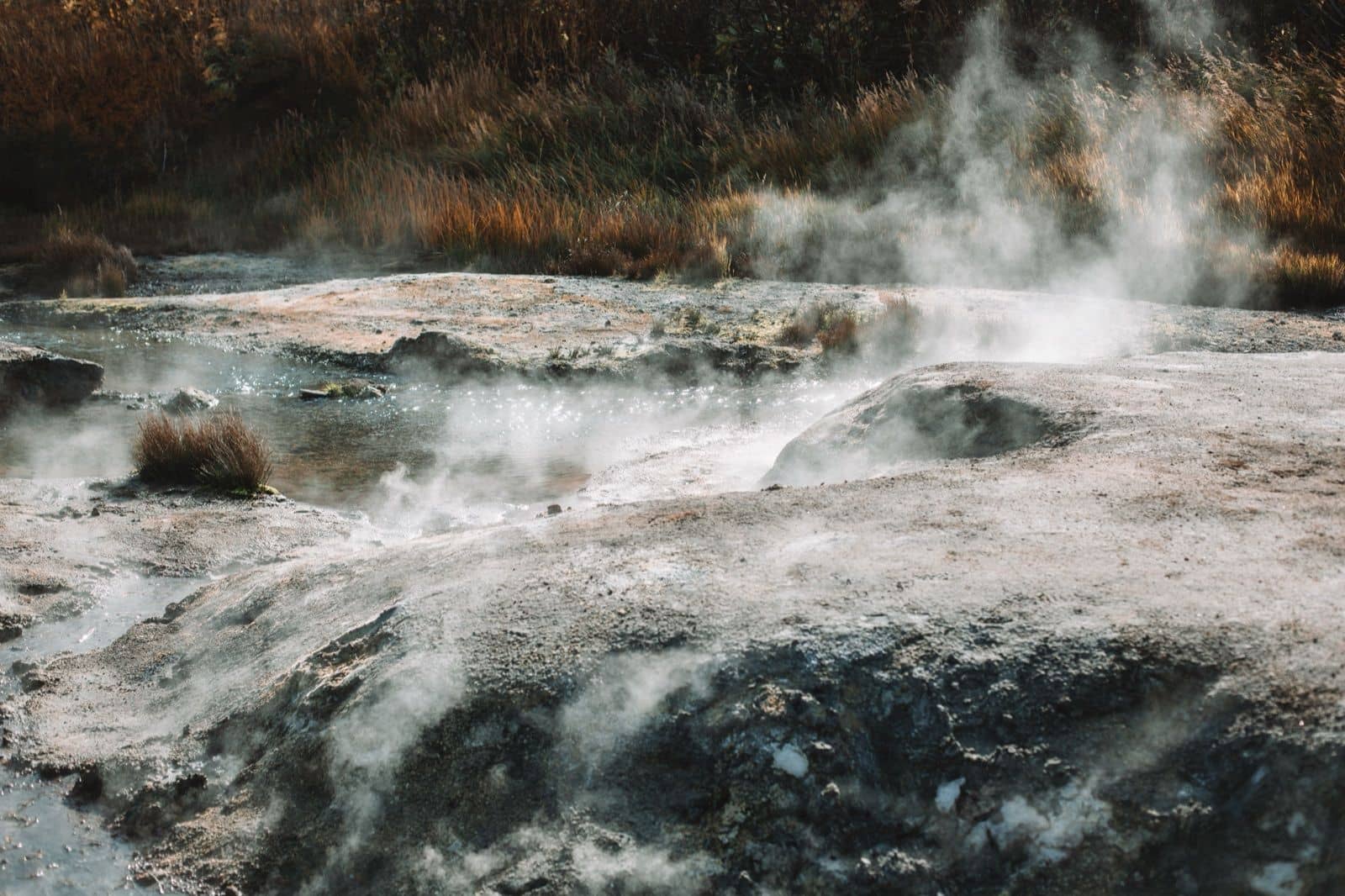
The North Island sits over a volcanic zone that is still active. That gives you geysers and mud pools at Rotorua, the volcanoes of Tongariro, Lake Taupo filling a caldera, and thermal water you can sit in. It is warmer, greener, more populated, and it is where Māori culture is most present in daily life rather than as an attraction.
| Landscape | Volcanic, geothermal, subtropical coast | Alps, glaciers, fiords, big lakes |
| Climate | Warmer, wetter, milder winters | Cooler, drier east, harsh alpine winters |
| Distances | Shorter hops between highlights | Longer legs, emptier roads |
| Crowds | More people, more towns | Emptier, but Queenstown is intense |
| Culture | Māori culture strongly present | Present, less visible day to day |
| Best for | First trips, families, winter, culture | Mountains, hiking, photography |
| Year-round? | Yes | Winter restricts alpine roads and tracks |
Which part of New Zealand is most beautiful?
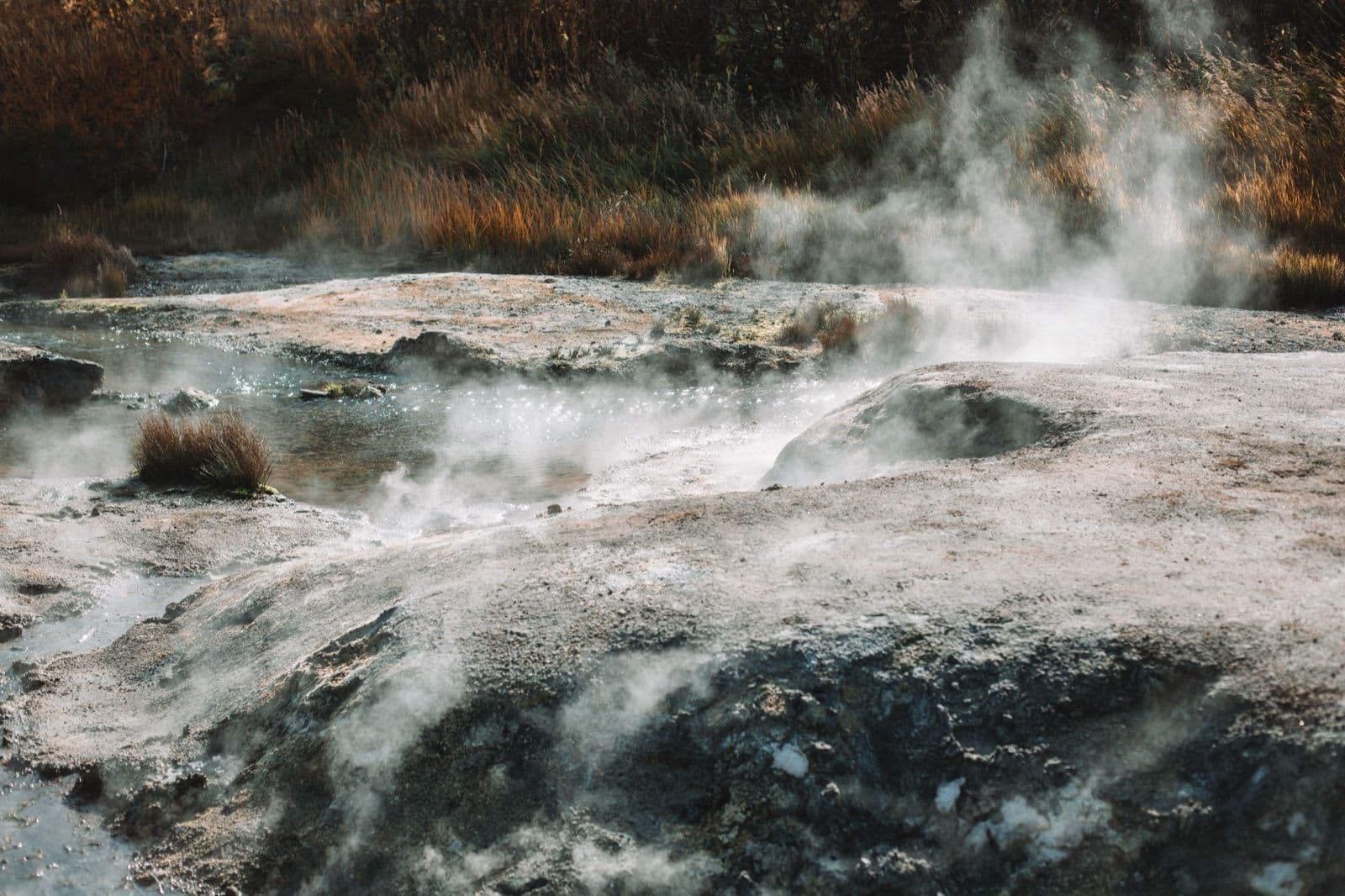
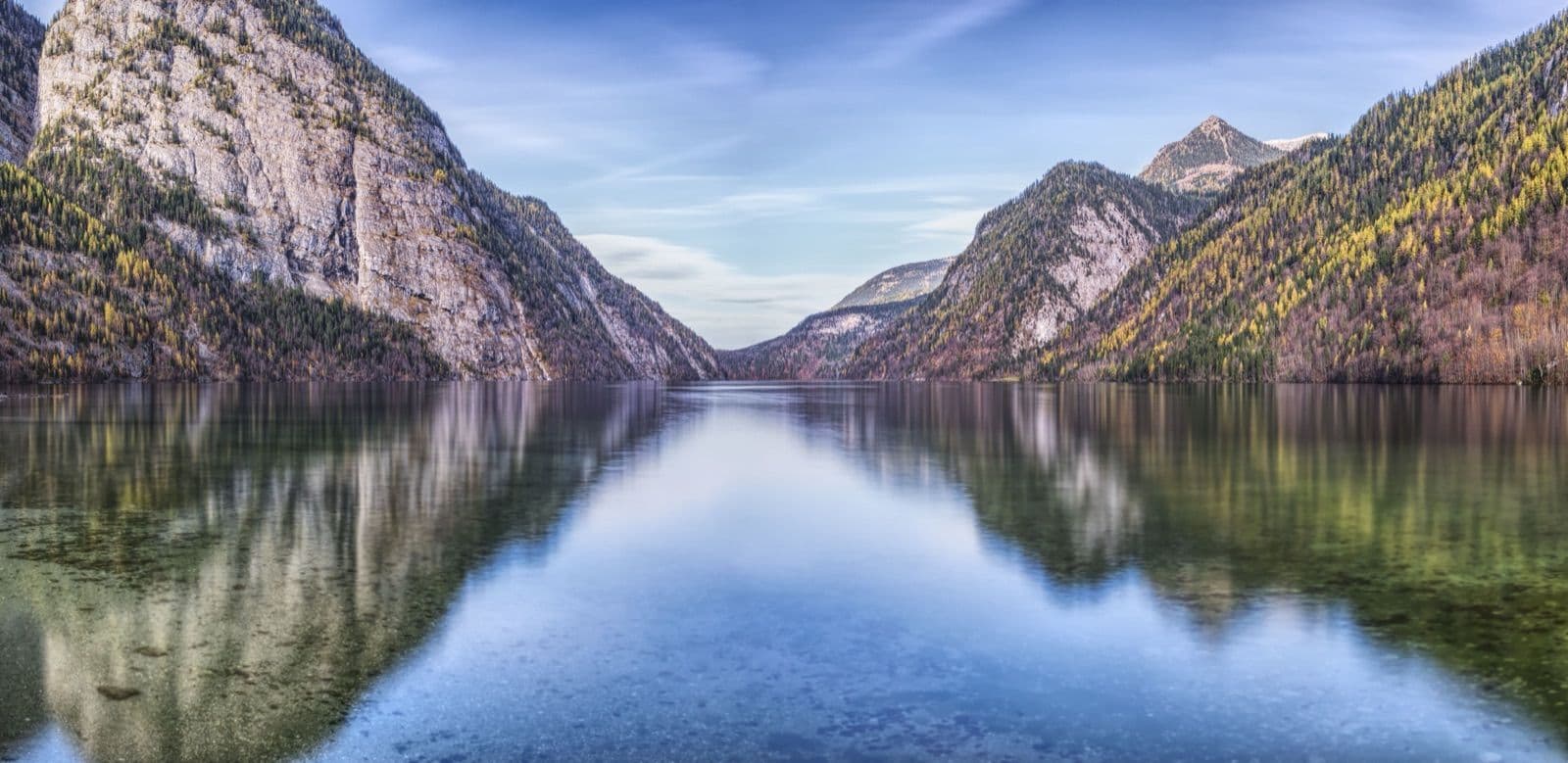
The South Island, if you mean landscape on a grand scale, and it is not particularly close. Milford Sound, Aoraki/Mount Cook, the road over the Crown Range, the lakes at Tekapo and Pukaki — this is the country in the photographs.
But beauty is not the only measure, and the North Island wins on things a photograph cannot hold. Standing on the rim of Red Crater with steam coming out of the ground beside you is not prettier than Milford Sound. It is stranger, and stranger tends to stay with people longer.
Where should you go on a first trip?
It depends almost entirely on how long you have and where you fly into.
**Two weeks, flying into Auckland: the North Island.** Auckland to Queenstown is around 1,400 km before you look at anything, and the Cook Strait ferry costs a day at each end. A North Island loop keeps you moving between highlights instead of between islands.
**Two weeks, flying into Christchurch: the South Island.** Same logic in reverse. A South Island loop out of Christchurch is one of the great fortnights of travel anywhere.
**Three weeks or more: both.** This is the point at which the ferry stops eating a meaningful share of your trip. Our three-week route covers the North Island in detail, and the ferry crossing is worth doing in daylight.
One practical note if you are hiring: a one-way trip between islands usually carries a relocation fee, because the vehicle has to come home. We take Auckland to Christchurch from three weeks.
Should you spend more time on one than the other?
If you are doing both, weight it towards the South Island — but not as heavily as most itineraries do.
A common split for three weeks is six nights north, fourteen south. That works, but it treats the North Island as a corridor to the ferry, and you end up driving past Rotorua and Tongariro to make a booking. Eight and twelve is better, and gives you the spare day the Tongariro Alpine Crossing needs.
The exception is winter. From June to August the South Island's advantages shrink — alpine roads need chains, some tracks close, days are short — while the North Island carries on much as usual.
Which island is better with children?
The North Island, for four reasons that have nothing to do with scenery.
- **Shorter drives.** The gaps between things kids like are one to three hours, not five.
- **Warmer water.** The northern beaches are genuinely swimmable in summer; most South Island coast is not.
- **Geothermal everything.** Mud pools, geysers and hot springs hold a child's attention in a way a mountain view does not.
- **More towns.** Which means supermarkets, playgrounds and somewhere to go when it rains for two days.
The South Island is a better trip for teenagers who will walk, and for anyone whose children are old enough to want the Tongariro Crossing or a glacier walk.
How do the seasons change the answer?
More than most comparisons admit.
**Summer, December to February.** Both work. The South Island is at its best and its busiest; the North Island is humid and its beaches are full.
**Autumn, March to May.** The best window for the South Island — Central Otago's colour in April is the most photographed thing in the country for a reason.
**Winter, June to August.** The North Island by default, unless you are going to ski. The South Island means snow, chains and closures.
**Spring, September to November.** The North Island is reliable; the South is unsettled with snowmelt, though the waterfalls are at their best.
The full month-by-month picture, including what a camper costs in each, is in our best time to visit guide.
What is each island like to drive?
Different in character, and worth knowing before you choose.
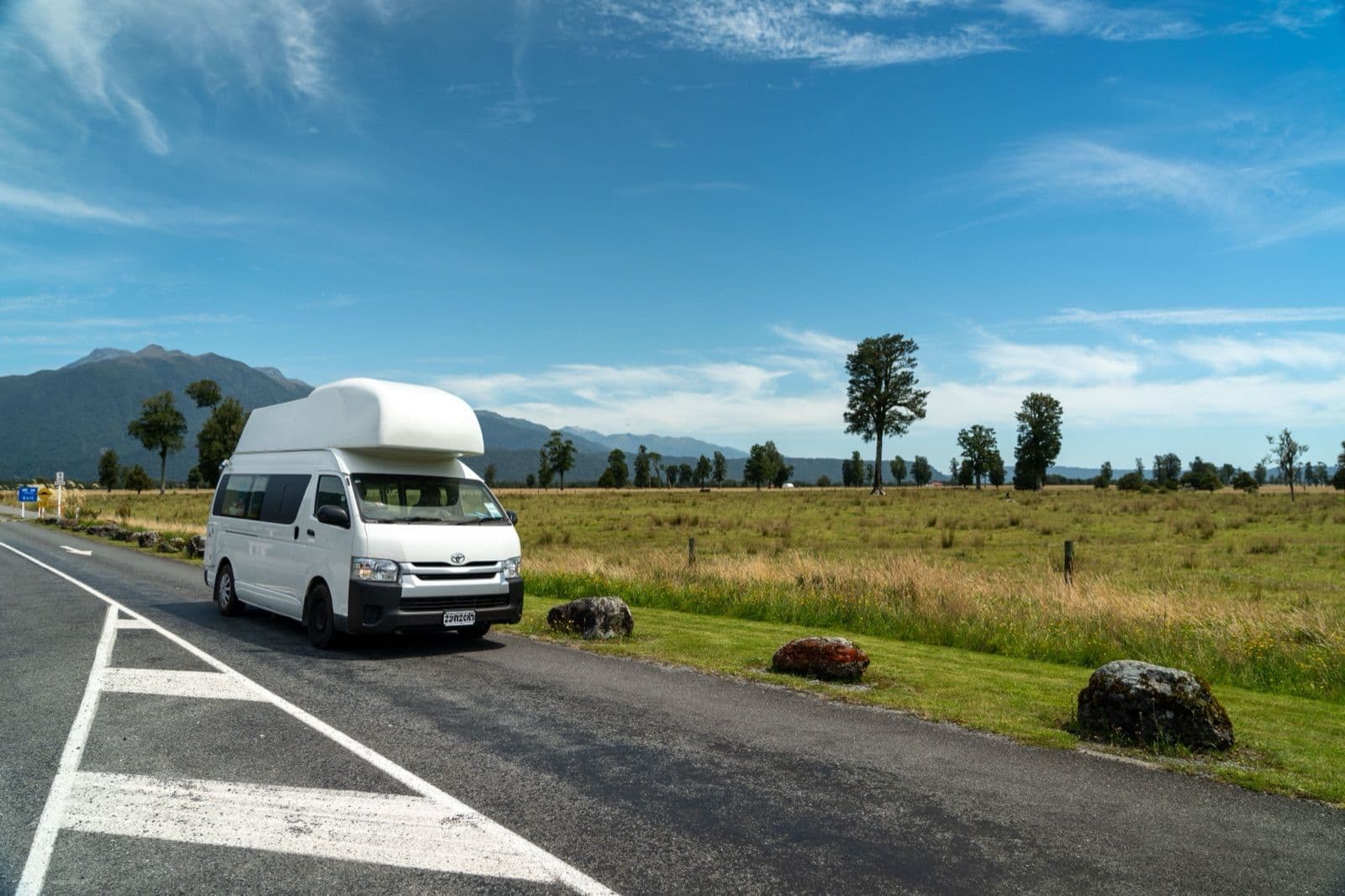
**South Island: distance and weather.** The gaps between fuel, food and phone coverage are real, particularly in Fiordland and on the West Coast. Alpine passes close. And the sandflies on the West Coast are not a joke — they will end an evening outdoors if you have not brought repellent.
**North Island: traffic and complacency.** Auckland's traffic is the worst in the country by a distance. And because the North Island feels gentler, people plan tighter days on roads that are just as winding — the Coromandel and the Forgotten World Highway take far longer than the map suggests.
Both islands share the things every visitor gets used to in a day or two: driving on the left, one-lane bridges, and satellite navigation that underestimates every journey. See our driving guide.
So which should you choose?
If you have two weeks and land in Auckland, take the North Island and come back for the South. If you have two weeks and land in Christchurch, take the South Island. If you have three weeks or more, do both and give the North Island eight nights rather than six.
And if you cannot decide, consider that almost nobody who comes here comes only once. Choose the one that fits your dates and your flights, do it properly, and leave the other with something to return for.
Our campers are all self-contained, which matters on both islands — it is what opens the free and low-cost DOC campsites that make either trip affordable.
Frequently asked questions
It depends on what you're after. The South Island wins for dramatic mountains, glaciers and fjords, which is why it tops most first-timers' lists. The North Island wins for warmth, geothermal areas, beaches and Māori culture. Neither disappoints — pick the one that matches your trip.
The North Island is warmer and more volcanic, with geothermal Rotorua, the Bay of Islands and the Tongariro Alpine Crossing. The South Island is cooler, more mountainous and remote, home to Queenstown, Milford Sound, the West Coast and the Mackenzie Basin.
Only if you have three weeks or more. With less time, pick one island and explore it properly rather than rushing the Cook Strait ferry and long drives. You'll see less on paper but experience far more.
By the Interislander or Bluebridge ferry across Cook Strait, between Wellington and Picton. Both carry campervans, the crossing takes around 3–3.5 hours, and the Marlborough Sounds section is spectacular — book ahead in summer.
Sources & official info
Written by Lauran & Nikki
Family owners of JustGoodCampers, living in New Zealand and helping travellers explore it by camper. More about us