TL;DR
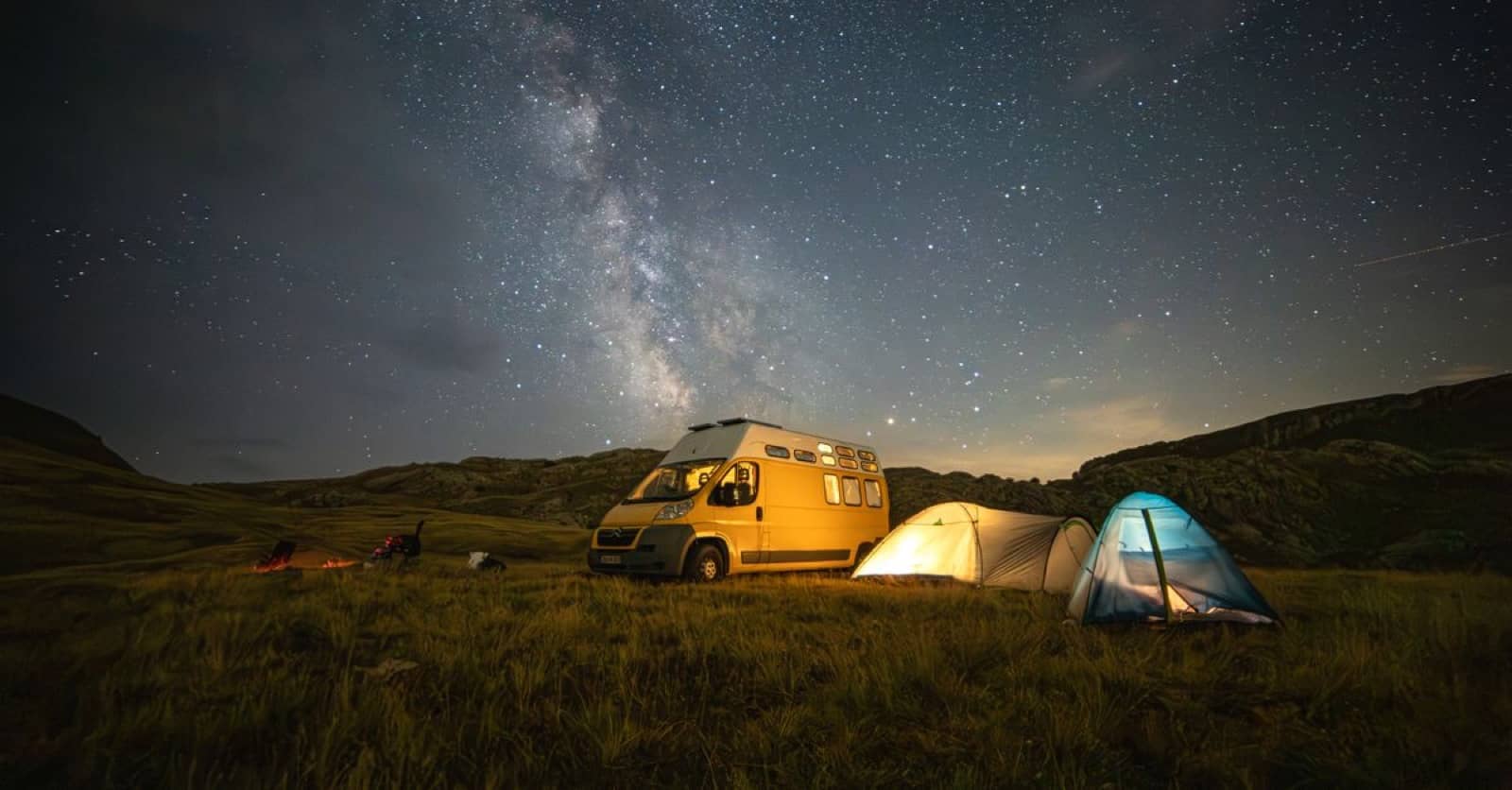
New Zealand has four main ways to camp: holiday parks (full facilities, ~NZ$40–60/night), DOC campsites (basic and scenic, often NZ$0–20), freedom camping (free, self-contained vehicles only), and private or farm sites. Freedom camping is legal in many areas but tightly regulated — you need a certified self-contained camper. Free apps like CamperMate map every option. It's one of the best countries in the world to camp, and a self-contained camper opens all of it up.
Camping in New Zealand is less an activity than a way of travelling. The country is set up for it: thousands of campsites, a culture of freedom camping, and scenery that turns an ordinary night into the best sleep of your trip. Here's how it all works, so you can find a spot every night without stress.
There are four main types of camping in New Zealand: holiday parks with full facilities (around NZ$40–60 a night), basic and scenic DOC campsites (often free to NZ$20), free freedom camping for certified self-contained vehicles, and private or farm stays. A self-contained camper gives you access to all of them.
The four types of campsite
Holiday parks are the all-rounders: powered sites, hot showers, kitchens, laundry, often a pool — great for a reset every few days, and bookable in advance. DOC campsites, run by the Department of Conservation, are simpler but sit in spectacular places like lakeshores and forest clearings; many cost little or nothing and can't be booked, so arrive early in summer. Freedom camping is exactly that — free overnight parking in designated areas — but only for self-contained vehicles. And a growing number of farms and private sites let you stay somewhere unique for a small fee.
Freedom camping rules
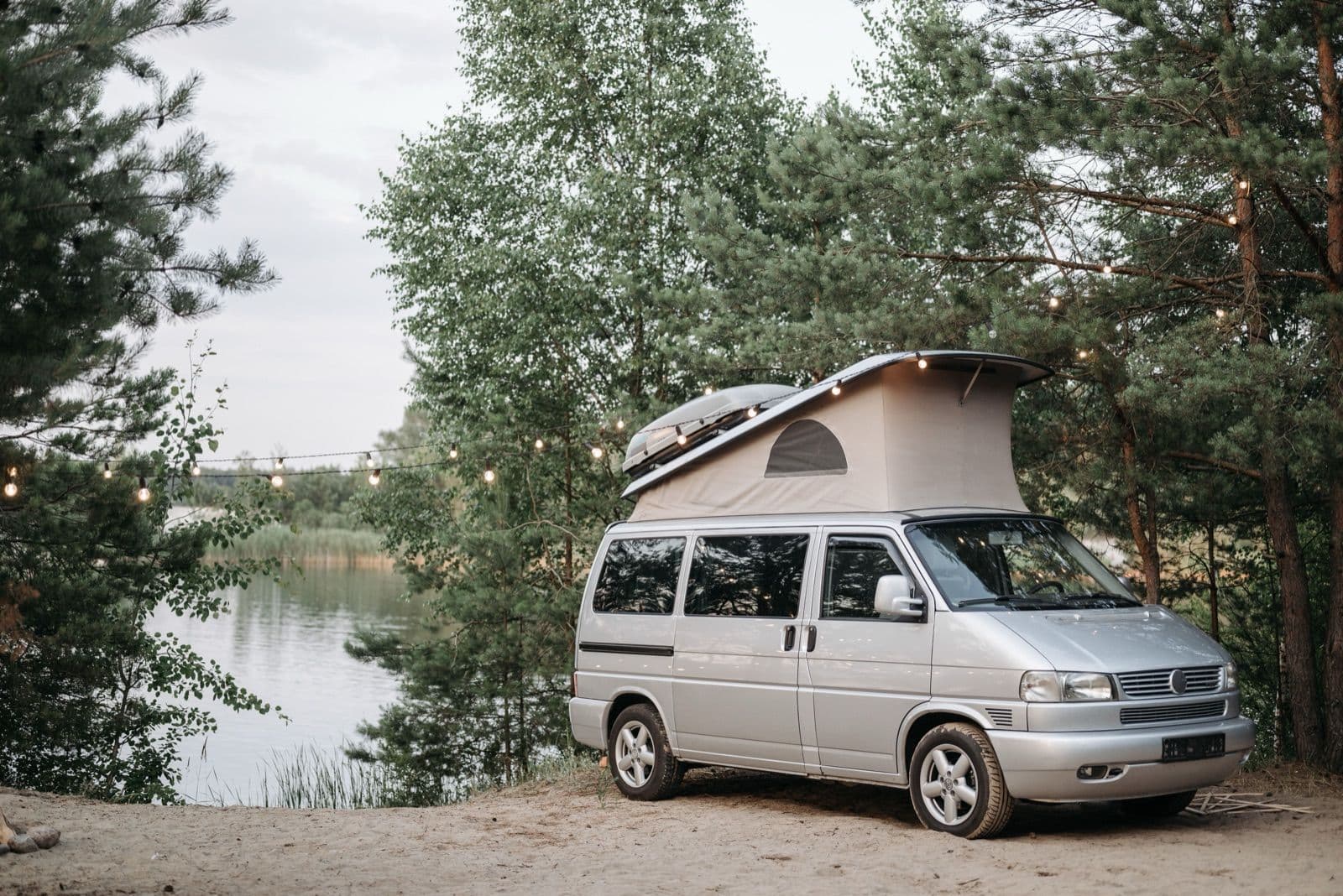
Freedom camping is legal in many parts of New Zealand, but it's tightly controlled and the rules vary by council. The essentials: you need a certified self-contained camper (a fixed toilet and the ability to hold your own waste), you can only stay where it's permitted — watch for signs — and you leave no trace. Our campers are certified, so this is open to you. For the full picture, read our freedom camping guide.
What camping costs
Camping is one of the reasons a New Zealand road trip is such good value. Freedom camping is free; most DOC sites are NZ$0–20 per person; holiday parks run about NZ$40–60 for two. A sensible rhythm is a couple of free or DOC nights strung between the occasional holiday park for a proper shower and to recharge. Add it up and your nightly accommodation can average a fraction of a hotel.
| Basic | Free | Free | Basic toilets, water may be from a tank |
| Standard | NZ$10–20 | NZ$5–10 | Toilets, water supply, vehicle access |
| Serviced | NZ$25 | NZ$12.50 | Flush toilets, hot showers, kitchen bench |
| Holiday park | NZ$45–65 for two | varies | Power, laundry, proper showers, wifi |
Infants stay free at every DOC category, and powered sites at serviced campsites run NZ$20–28 per adult. Mix the tiers across a fortnight and two people spend around NZ$330 on accommodation for the entire trip.
Finding a spot: the apps
You won't need to book far ahead if you use the tools locals use. CamperMate and Rankers map every campsite, holiday park and freedom-camping area, with filters for facilities, price and self-containment, plus reviews and dump stations. Download them before you go — you'll use them daily.
A few tips before you go
Arrive early at popular DOC sites in summer, carry cash for honesty boxes, always use your onboard toilet where facilities are limited, and check the weather before committing to an exposed spot. Then relax — this is genuinely one of the best countries on earth to camp. Ready? Have a look at our campers and what's included.
What does the average campsite cost in New Zealand?
Between nothing and about NZ$25 a head, depending which tier you use. That range is unusually wide because the Department of Conservation subsidises the network heavily — several hundred sites, many in places no commercial operator could build.
The number most people should plan around is **NZ$12 to NZ$25 per person per night**, mixing free sites with standard and the occasional serviced one. Staying only in commercial holiday parks roughly triples it.
Where is the best place to camp in New Zealand?
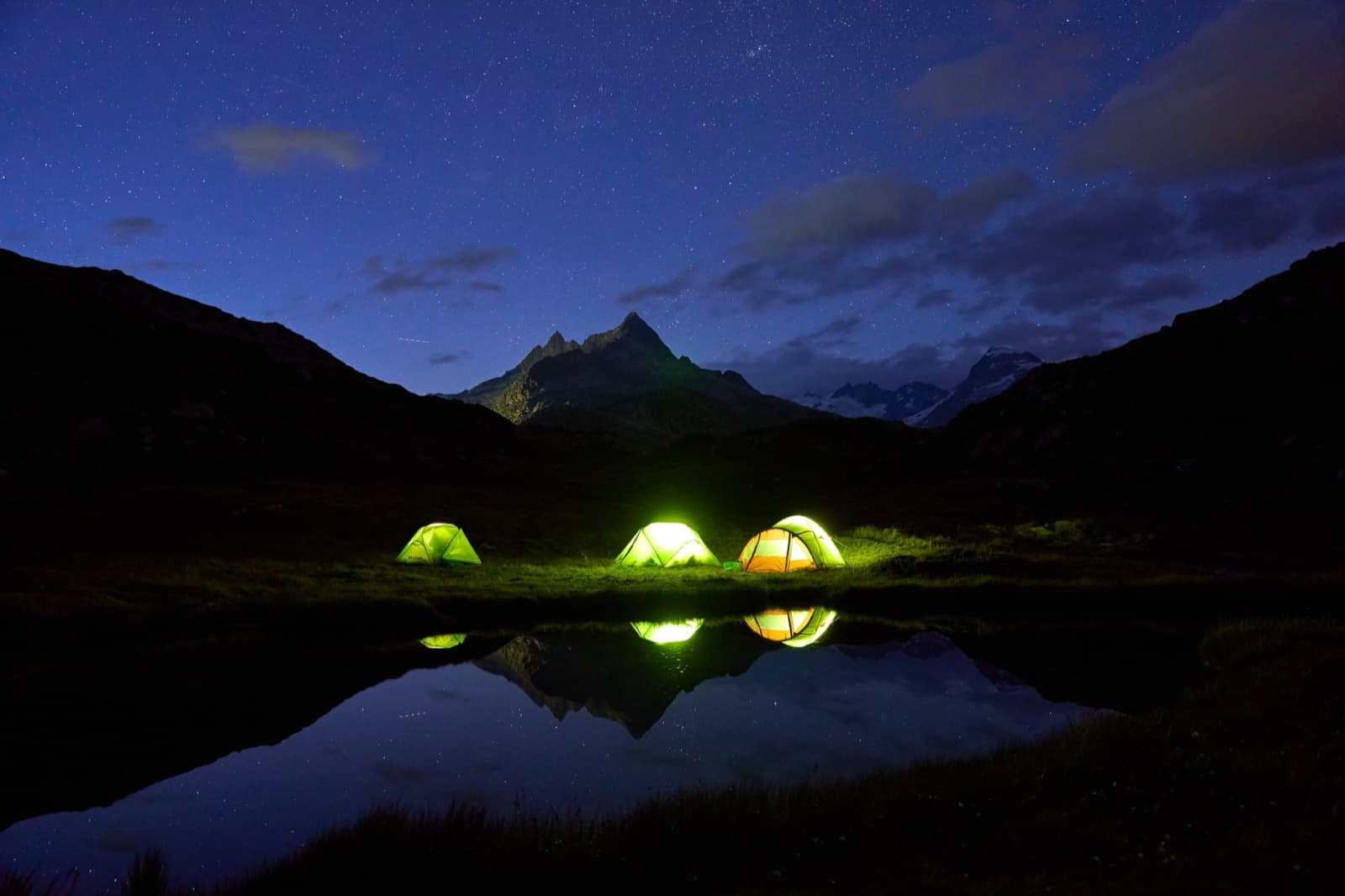
There is no single answer, but there is a pattern: the best sites are the ones with the fewest facilities.
DOC basic and standard campsites tend to sit where the view is — a lake edge, a river flat, a beach behind the dunes — precisely because nobody built a hotel there. Holiday parks sit where the town is. If you are self-contained, you can choose the first kind, and that single fact changes the character of a trip more than the vehicle you hire.
- **Aoraki/Mount Cook** — under the highest mountain in the country, with the Hooker Valley Track from the door.
- **Totaranui, Abel Tasman** — golden sand and native bush, far enough up the coast to stay quiet.
- **Lake Mapourika** — still water and reflections at dawn, close to the glaciers.
- **Mangahuia** — beech forest near the start of the Tongariro Alpine Crossing.
- **Curio Bay** — a petrified forest, penguins, and the Southern Ocean straight ahead.
Are you allowed to camp anywhere in New Zealand?
No, and this is where visitors most often get fined.
Freedom camping is legal only in areas where the local council permits it, and every district writes its own rules. A spot that is legal in one region is a NZ$400 infringement fifty kilometres down the road. Popular areas — the Coromandel, Queenstown, the Bay of Islands — are actively patrolled in summer.
Certification matters as much as location. Many councils permit freedom camping only for **certified self-contained** vehicles, which means the van can store its own waste water and carries a toilet. A vehicle with a portable toilet in the boot does not qualify unless it is certified.
The practical rule: use the DOC network and the council sites, check the local rules rather than assuming, and treat any spot without a sign as off limits.
What are the must-haves for camping in New Zealand?
Beyond the obvious, five things make a genuine difference here.
- **Certified self-containment** — it decides where you may legally sleep, not just where you would like to.
- **Sandfly repellent** — the West Coast and Fiordland have them in numbers that ruin an evening otherwise.
- **A warm layer, whatever the month** — inland and alpine sites drop sharply after dark even in January.
- **Cash or a card for honesty boxes** — many standard DOC sites are self-registration.
- **Offline maps** — coverage disappears for long stretches on the South Island, and the good sites are exactly where it does.
What is included with a camper varies a lot between operators. Ours come with bedding, a full kitchen, camp chairs and a table — the things that are otherwise a separate charge on the day. See what is included.
Frequently asked questions
No. Freedom camping is only allowed in designated areas and only for certified self-contained vehicles. Many busy or sensitive spots ban it, marked with signs. Check the CamperMate app before parking overnight.
It's one of the best countries in the world for it — thousands of campsites, dramatic scenery, a strong freedom-camping culture and an easy network of apps. A self-contained camper makes the most of it.
Freedom camping is free, most DOC campsites are NZ$0–20 per person, and holiday parks are around NZ$40–60 for two people with full facilities.
At holiday parks and some DOC sites, yes. For freedom camping you need a certified self-contained vehicle, which a normal car isn't — so a certified camper keeps every option open.
Sources & official info
Written by Lauran & Nikki
Family owners of JustGoodCampers, living in New Zealand and helping travellers explore it by camper. More about us