TL;DR
The West Coast (Te Tai Poutini) is the South Island's wild edge — rainforest, the Franz Josef and Fox glaciers, the Pancake Rocks at Punakaiki, and long empty beaches. Camping is a mix of holiday parks in the glacier towns and Greymouth/Hokitika, plus scenic DOC campsites and a few freedom-camping areas for self-contained vehicles. It's remote and rainy, so carry supplies, watch for sandflies, and book ahead in summer.
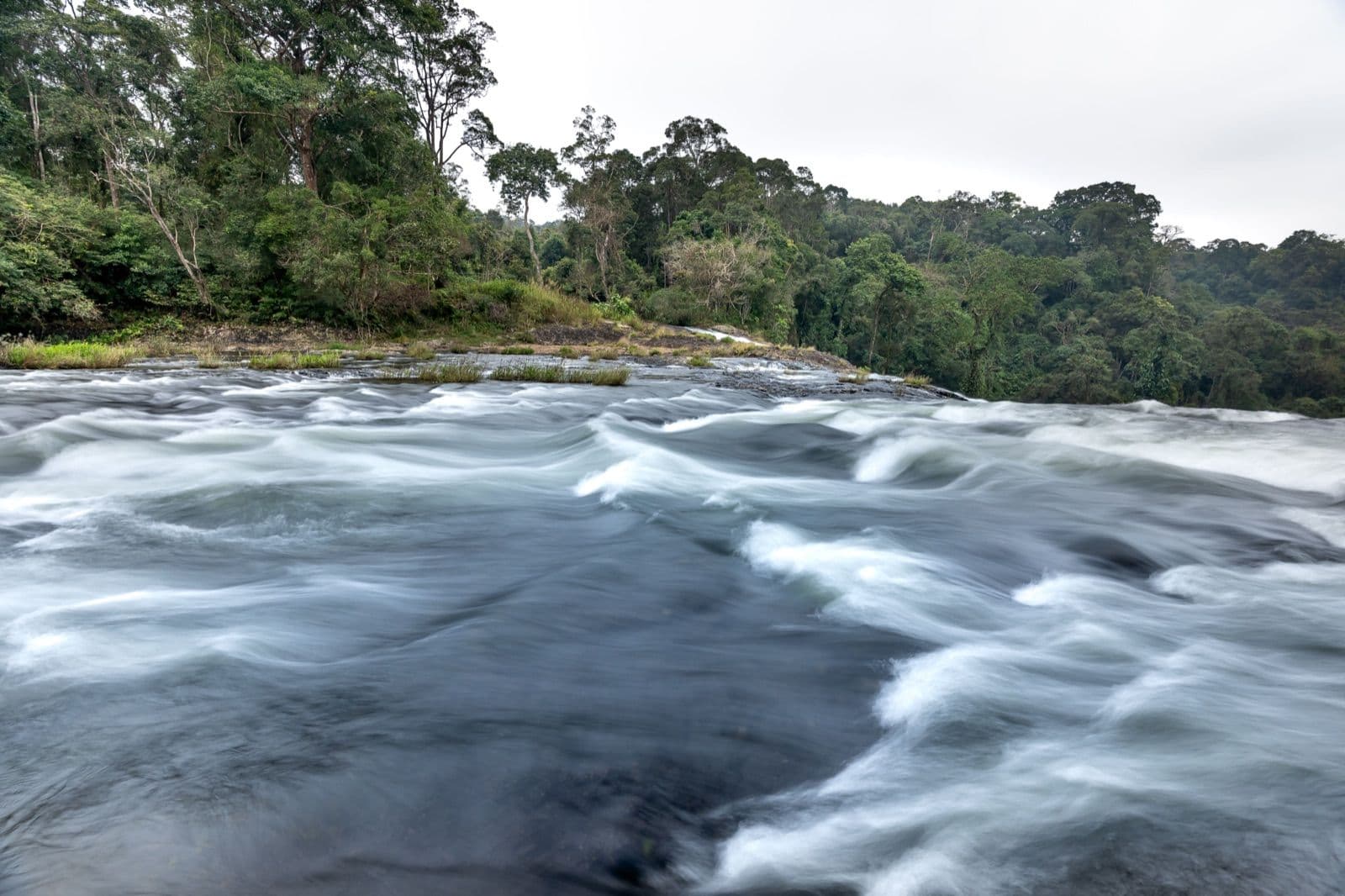
The West Coast is the emptiest, greenest and most dramatic stretch of road in New Zealand. Six hundred kilometres of coast with the Southern Alps rising immediately behind it, a handful of small towns, and rainforest that grows down to the beach.
It is green because it catches the weather first — the Alps wring it out as it crosses, which is also why land a hundred kilometres east is the driest in the country. That rain is the reason the whole coast looks the way it does.
What is actually on the West Coast?
Four things worth planning around, and a lot of road between them.
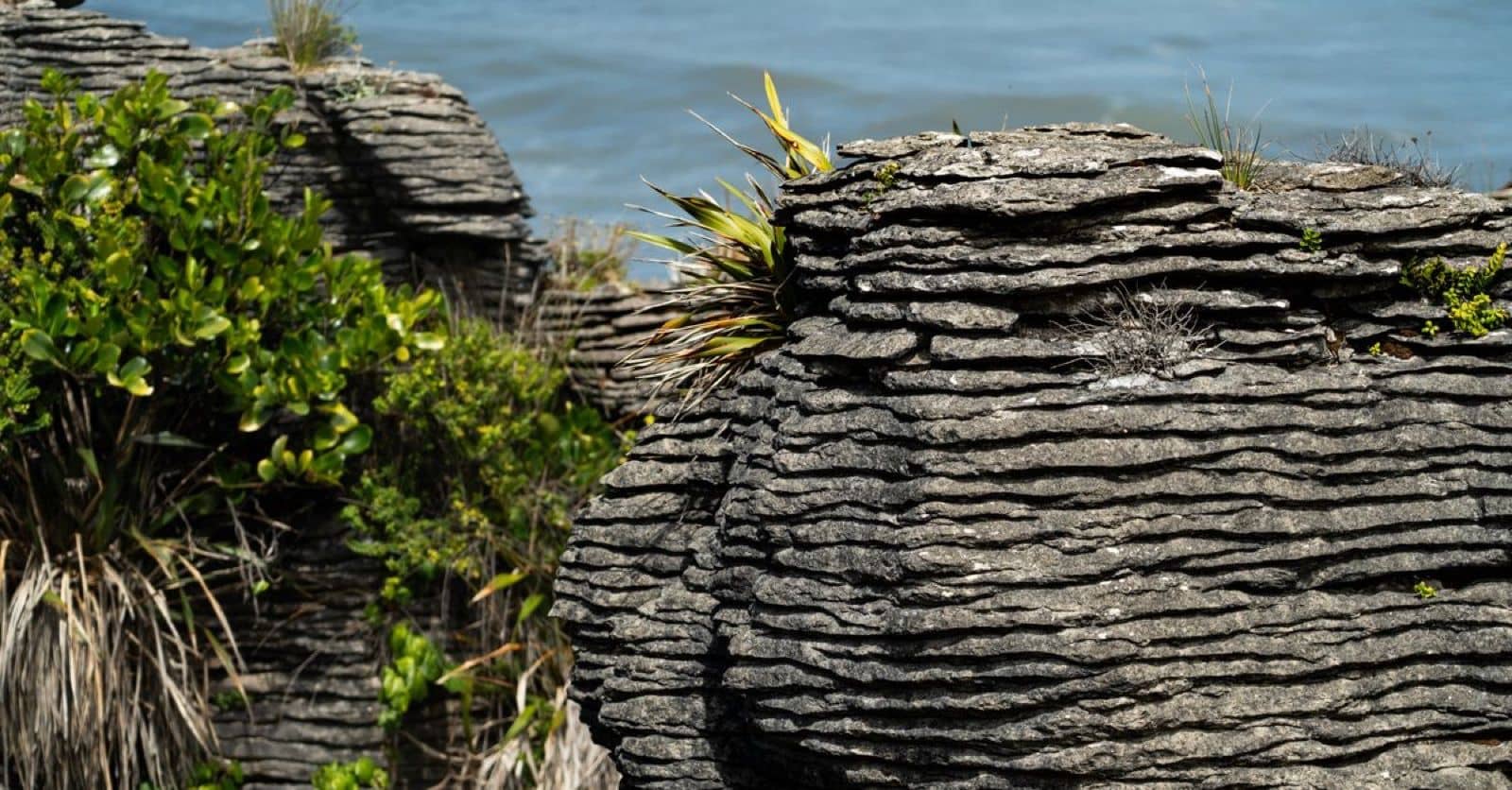
**The Pancake Rocks at Punakaiki** — limestone stacked in improbable layers, with blowholes that perform at high tide with a decent swell. Check the tide table before you plan the stop; at low tide it is a nice walk, at high tide it is a spectacle.
**The glaciers.** Franz Josef and Fox have both retreated substantially, so from the valley floor you see them at a distance. The walk to the terminal face is still worth doing, and a heli-hike puts you on the ice if the weather allows.
**Lake Mapourika** just north of Franz Josef — still water, dawn reflections, and one of the better places on the coast to wake up.
**Hokitika Gorge**, where the water is a turquoise that looks digitally altered and is not. A short walk from the car park, and a good stop between the glaciers and Greymouth.
How long does the West Coast take?
Three days minimum, four if you want to stop properly. The road is slow — narrow, winding, and with one-lane bridges — and the distances are longer than they look.
| Nelson – Punakaiki | 290 km | 4 hours |
| Punakaiki – Hokitika | 120 km | 1.5 hours |
| Hokitika – Franz Josef | 140 km | 2 hours |
| Franz Josef – Haast | 145 km | 2 hours |
| Haast – Wanaka | 145 km | 2.5 hours over the pass |
Most people drive it north to south or south to north as part of a South Island loop, coming over Arthur's Pass or the Haast Pass at one end.
What about the sandflies?
They are part of the coast, and they are entirely manageable.
Put repellent on before you stop rather than after, choose a breezy site over a sheltered one by a stream, and they stop being a consideration. Māori tradition has it that the goddess Hine-nui-te-pō released them at Milford so that people would not be so overcome by the beauty that they never left — which, having stood there, feels well observed.
Where do you stay?
This is where the West Coast rewards a self-contained camper more than anywhere else in the country. The DOC network here is excellent and the towns are small.
Lake Mapourika and Punakaiki are the two we send people to most. Both put you somewhere you would not otherwise get to sleep.
Fuel and supermarkets are sparse between towns, so fill up and shop when you pass one rather than when you need to.
What is the weather really like?
Changeable, and better than its reputation for what you came to see.
A wet day on the West Coast is not a lost day. The waterfalls run, the rainforest is at its best, and the light through cloud on the Alps is what photographers come for. Pack a waterproof, plan an indoor option or two, and take the days as they come.
The one thing worth watching is the passes. Arthur's Pass and the Haast can close in winter snow, so check conditions before you commit to a crossing.
Where the coast fits into a full route is in our itinerary guide, and our campers all have heating, which matters more here than most places. Most people come in over Arthur's Pass, which starts from our campervan hire in Christchurch.
Frequently asked questions
Absolutely, if you like wild, uncrowded scenery: glaciers, rainforest, the Pancake Rocks and empty beaches. It's remote and often rainy, but that's exactly what keeps it so unspoiled.
At holiday parks in Franz Josef, Fox Glacier, Hokitika and Greymouth, plus scenic DOC campsites (like Lake Mahinapua) and a few freedom-camping areas for certified self-contained vehicles.
No — freedom camping is limited to designated areas and needs a certified self-contained vehicle. Use the CamperMate app to find legal spots, or book a holiday park or DOC site.
Two to four days lets you take in the glaciers, Punakaiki and a couple of beaches without rushing the long, winding coastal road.
Related pages
Sources & official info
Written by Lauran & Nikki
Family owners of JustGoodCampers, living in New Zealand and helping travellers explore it by camper. More about us