TL;DR
Road User Charges (RUC) are how New Zealand taxes diesel vehicles for using the roads. Petrol drivers pay road tax at the pump; diesel drivers instead pay by distance. Nearly every campervan in New Zealand is diesel, so every rental company charges RUC — it's a government charge, not a rental fee. It's usually billed at the end of your trip from the odometer. We pass it through honestly at NZ$0.084 per kilometre, with unlimited kilometres, and include it free with our Peace of Mind cover.
If you're comparing campervan quotes for New Zealand, you'll sooner or later run into three letters that aren't always explained clearly: RUC. It's not a hidden fee or a rental-company invention — it's simply how New Zealand charges diesel vehicles for using the roads. Here's exactly what it is, so there are no surprises.
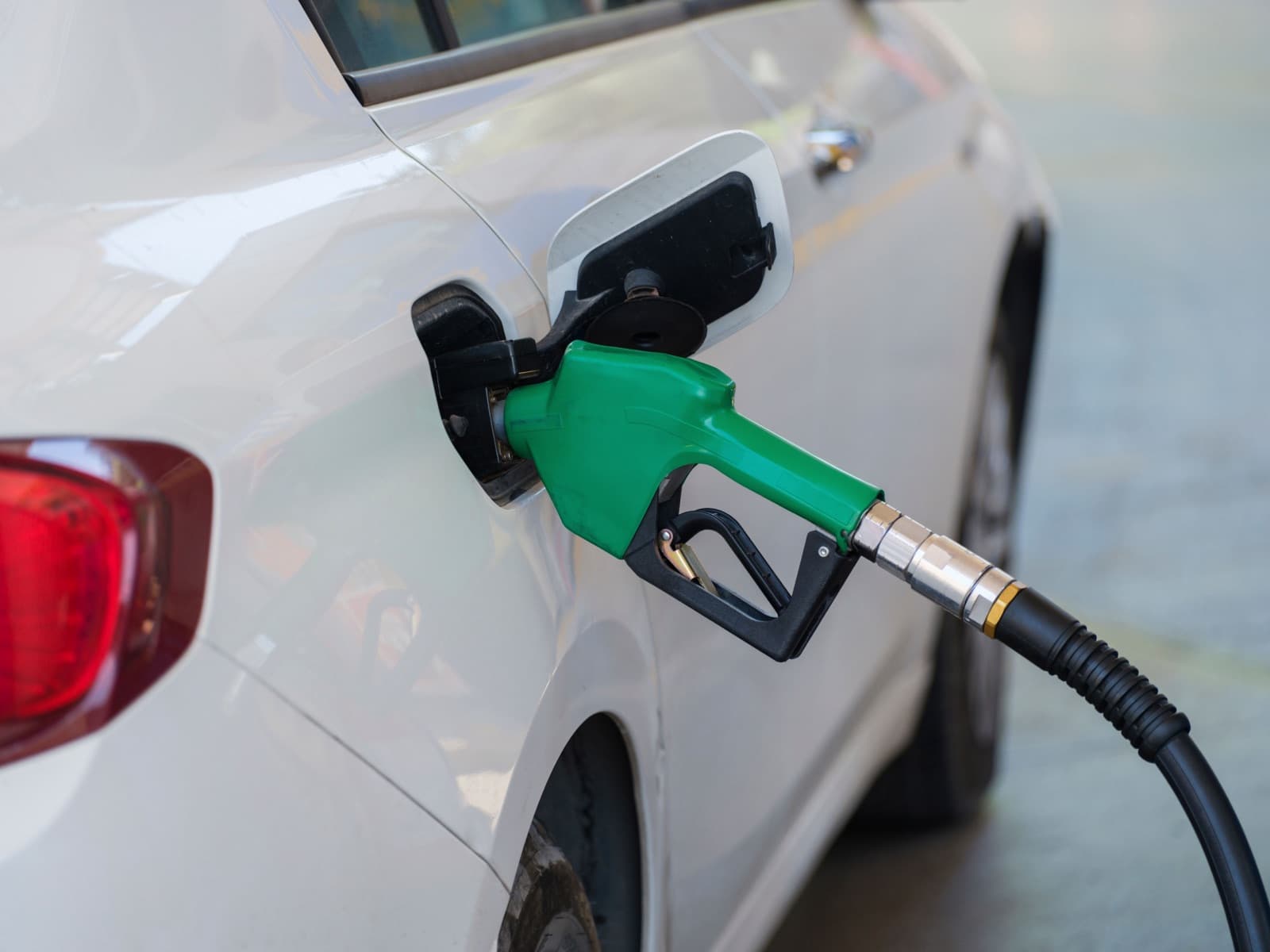
Road User Charges (RUC) are a distance-based road tax on diesel vehicles in New Zealand. Petrol vehicles pay their share of road tax at the fuel pump; diesel vehicles don't, so they pay RUC by the kilometre instead. Almost every campervan here runs on diesel, which means every rental company charges RUC — it's a government charge, usually read from the odometer and billed at the end of your hire.

Why does New Zealand have Road User Charges?
It comes down to fairness. New Zealand pays for its roads partly through a tax built into the price of petrol. Diesel, though, is used by everything from farm tractors to machinery that never touches a public road, so taxing it at the pump wouldn't be fair. Instead, diesel vehicles pay for the roads by distance travelled — you buy road use in blocks of kilometres. That's RUC. It's also the reason diesel looks cheaper per litre at the pump: the road tax simply sits somewhere else.
How much are Road User Charges?
The government sets the rate for light vehicles, and rental companies pass it on. We charge it through honestly at NZ$0.084 per kilometre — so a 2,000 km trip works out to about NZ$168 in RUC. There's no cap and no limit on your kilometres: you pay for the distance you actually drive, nothing more. Because it's a pass-through of a government charge, every diesel campervan rental in New Zealand charges RUC in some form; the honest ones just tell you upfront.
| Two weeks, North Island | 1,200 km | NZ$101 |
| South Island loop | 3,000 km | NZ$252 |
| Four weeks, both islands | 5,000 km | NZ$420 |
| Six weeks, both islands | 7,000 km | NZ$588 |
How do you buy Road User Charges?
The owner of a diesel vehicle buys road use ahead of time, in blocks of 1,000 kilometres, from NZ Transport Agency Waka Kotahi — online, or over the counter at an agent. The vehicle then carries a record of how far it's allowed to travel, and the owner tops it up before it runs out. Drive past the distance you've paid for and you're liable for the shortfall.
As a renter you never touch any of this. Buying RUC, keeping it topped up and dealing with the paperwork is the owner's job, which on a hire camper means ours. You simply drive, and the kilometres you covered are settled at the end. It's worth knowing the mechanism exists, though, because it explains why RUC is billed from the odometer rather than added to your daily rate — the road use was bought by distance in the first place.
How is RUC charged on a campervan rental?
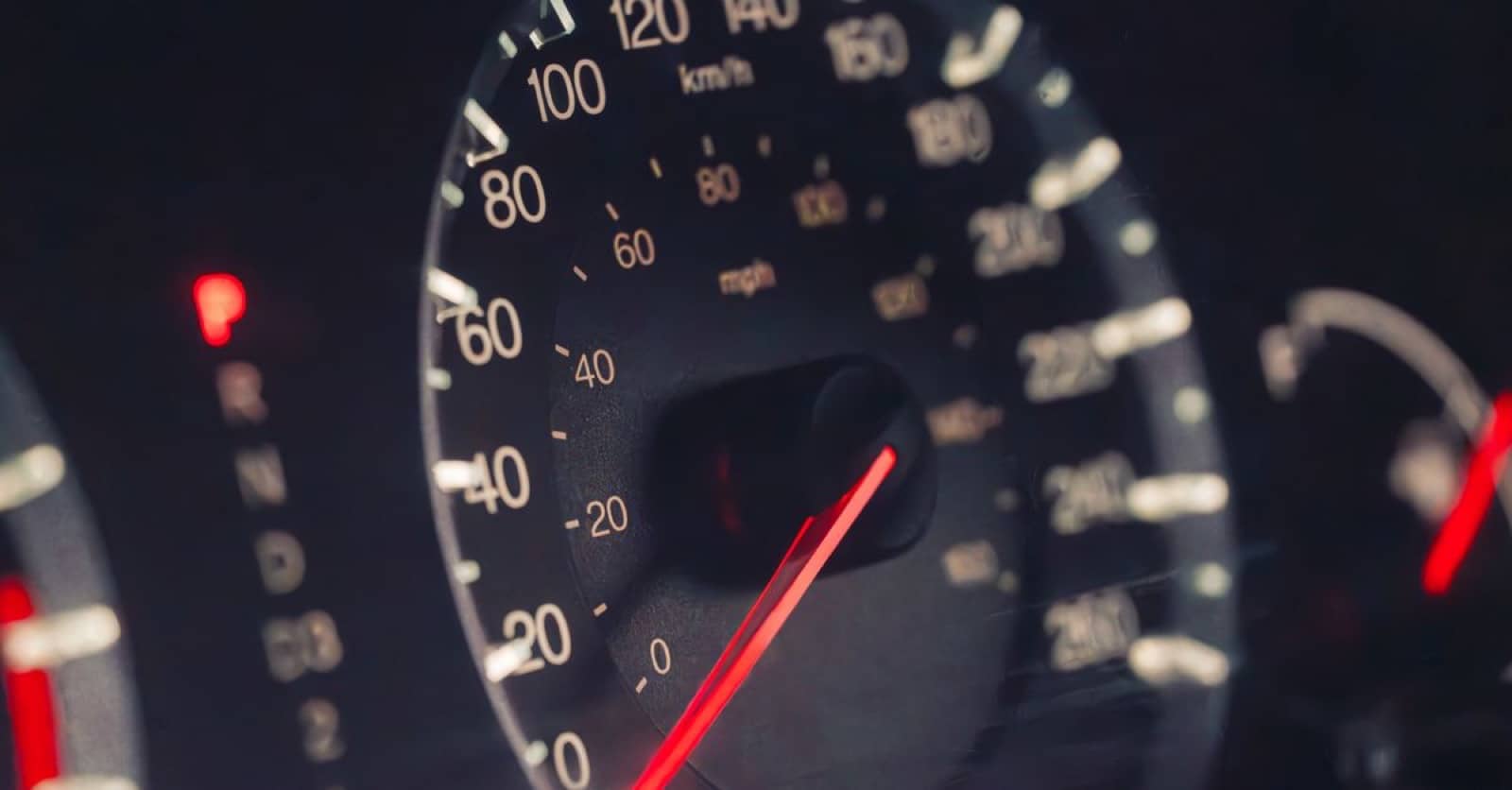
Simply. Your camper's odometer is read at pickup and again when you return, and you're charged for the kilometres in between at the per-kilometre rate. It's separate from fuel — you still fill the diesel tank yourself — and separate from your daily hire rate. Watch out for quotes that look cheap because RUC has been left out; a low headline rate with RUC added later can cost more than an honest all-in price.
Working out your RUC before you book
You don't need a calculator, just your rough distance. At our NZ$0.084 per kilometre, a fortnight around the North Island lands near NZ$100, and a full South Island loop nearer NZ$250. Most people over-estimate how far they'll drive: New Zealand looks small on the map but rewards staying put, and the trips people enjoy most are usually the ones with fewer kilometres in them.
Some rough numbers to plan against:
- Auckland and the north, one week — around 1,000 km, about NZ$84
- North Island loop, two weeks — around 1,800 km, about NZ$150
- South Island circuit, two to three weeks — around 3,000 km, about NZ$250
- Both islands, four weeks — around 5,000 km, about NZ$420
Those are honest middles, not caps — there's no limit on your kilometres either way. If you'd like the distance side of your budget worked out properly, our NZ campervan trip cost breakdown puts RUC next to fuel, campsites and the ferry.
Do electric campervans pay RUC?
Yes. RUC used to be a diesel-only affair, but light electric and plug-in hybrid vehicles pay it too — the same logic applies, since they buy no petrol and so contribute nothing at the pump. It rarely comes up on a hire camper: New Zealand's rental fleet is overwhelmingly diesel, ours included, because charging infrastructure is still thin in exactly the remote places a camper is for. If you're weighing an electric van for a road trip here, range between charge points matters more than the road tax does.
How we handle RUC
We'd rather show it than bury it. You'll see RUC noted right in our booking flow before you pay, at NZ$0.084/km, calculated from the odometer at the end of your trip, with unlimited kilometres. And if you'd rather not think about it at all, our Peace of Mind cover includes RUC — no per-kilometre charge at all. Either way, there are no surprises at the counter. See exactly what comes with every camper on our what's included page, or check availability.
Frequently asked questions
A distance-based road tax on diesel vehicles. Because diesel isn't taxed at the pump like petrol, diesel drivers pay for road use by the kilometre instead. It funds the upkeep of New Zealand's roads.
If the camper is diesel — and almost all are — yes. RUC is a government charge that every rental company passes on, usually billed from the odometer at the end of your hire. It isn't a fee the rental company invents.
We pass it through at NZ$0.084 per kilometre with unlimited kilometres, so a 2,000 km trip is about NZ$168. You only pay for the distance you actually drive.
It's charged separately on Basic cover, read from the odometer at the end of the trip. With our Peace of Mind cover, RUC is included, so there's no per-kilometre charge at all.
They're separate. RUC is the road tax for diesel vehicles, charged by distance; fuel is the diesel you buy at the pump to actually run the engine. You pay both, but diesel is cheaper per litre precisely because the road tax is separate.
No. On a hire camper the owner buys road use in advance, in blocks of 1,000 km, and keeps it topped up — that's our job, not yours. You just drive, and the kilometres you covered are settled from the odometer at the end of your trip.
Yes. Light electric and plug-in hybrid vehicles pay RUC as well, on the same reasoning as diesel: they buy no petrol, so they contribute nothing to road funding at the pump. It rarely matters on a rental, as New Zealand's camper fleet is almost entirely diesel.
The per-kilometre rate we quote you — NZ$0.084 — is what you pay, GST included, with nothing added at the counter. Prices across our site work the same way.
Related pages
Sources & official info
Written by Lauran & Nikki
Family owners of JustGoodCampers, living in New Zealand and helping travellers explore it by camper. More about us