TL;DR
Kaikōura, on the South Island's east coast, is where snow-capped mountains meet a sea full of whales, dolphins and seals. Camping is mainly at holiday parks in and around town (like the Kaikōura TOP 10 and Peketa Beach) plus a few DOC and freedom-camping spots along the coast for self-contained vehicles. It's a must-stop for wildlife and crayfish, about 2.5 hours north of Christchurch.
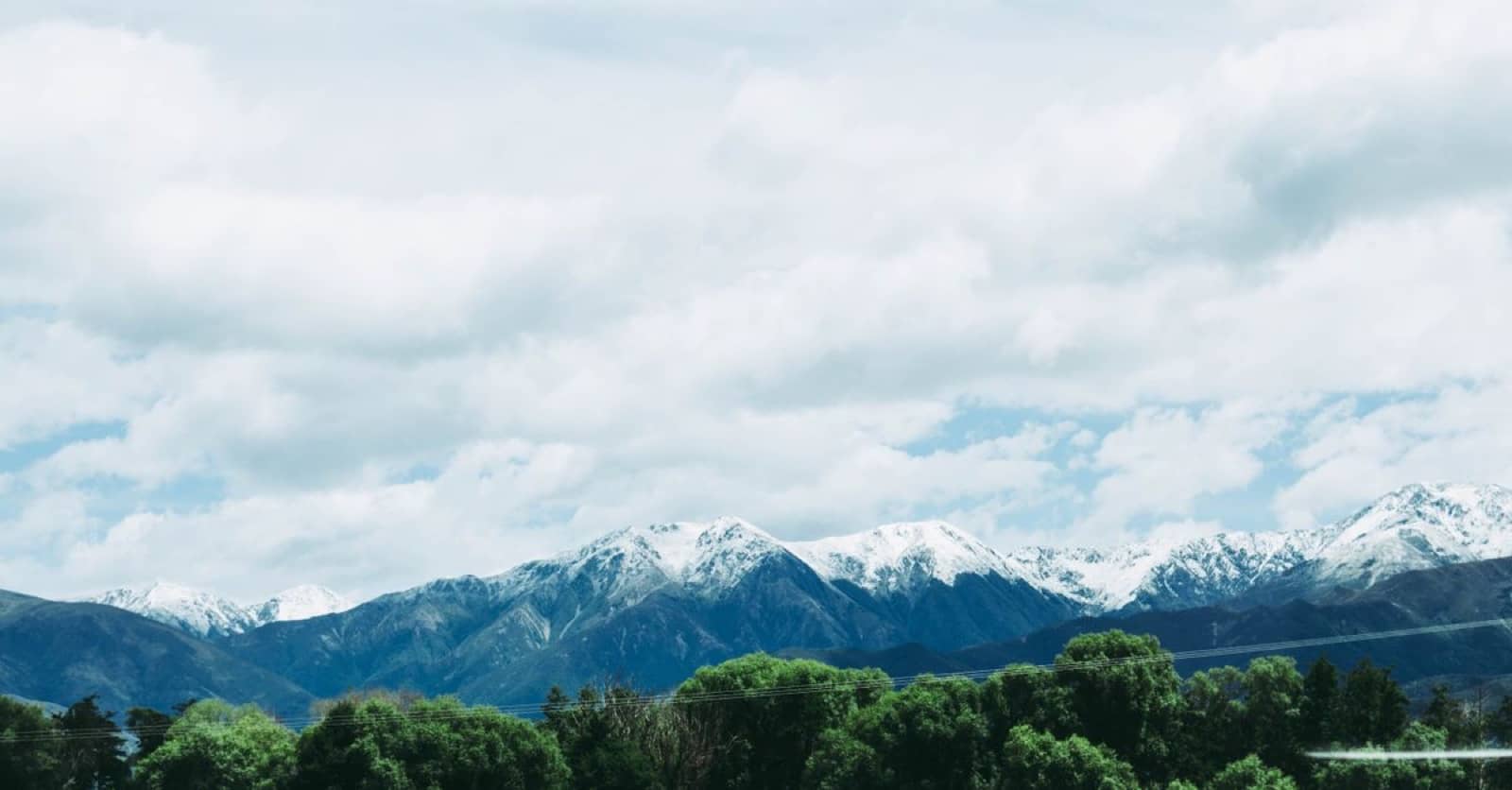
Kaikōura is the one place on the South Island where you stop for wildlife rather than landscape — and then find the landscape is extraordinary anyway. Snow-capped mountains fall almost straight into the sea, and the town sits on the narrow strip between them.
The reason the animals are here is geology. The **Kaikōura Canyon** runs close to shore and drops away steeply, bringing deep-ocean water and everything that feeds in it within a few kilometres of the beach.
Why can you see whales here all year?
Because the sperm whales do not migrate away. Most whale watching anywhere else is seasonal; here the resident males stay year-round, feeding in the canyon.
That makes Kaikōura unusually reliable. Sightings are never guaranteed — the operators will tell you so — but the odds are better on a random Tuesday in May than they are in most places at the peak of a season.
**Humpbacks** pass through in June and July on migration, **dusky dolphins** are here in large pods most of the year, and **orca** turn up unpredictably. Rough seas cancel more sailings in winter, so build in a spare day if the whales are the reason you came.
What can you do without booking anything?
A surprising amount, and for nothing.
The **seal colony at Point Kean**, at the end of the peninsula road, is a working colony you walk up to — New Zealand fur seals lying on the rocks a few metres away. Keep twenty metres back and never get between a seal and the water; they are faster than they look.
The **Peninsula Walkway** runs along the clifftops above it, two to three hours return, with the mountains on one side and the open Pacific on the other. Check the tide if you want to take the shore route back.
And the **crayfish**. Kaikōura means 'meal of crayfish' in Māori, and the roadside caravans north of town are the reason people stop. It is not cheap, and it is the local speciality.
Where do you park the camper?
The Kaikōura coast has both holiday parks in town and DOC sites along the coast north and south.
The town options put you within walking distance of the boats, which matters if you have an early sailing. The coastal sites are quieter and you wake up to the sea, but you will be driving in.
Because the town is small and the whale watching is popular, book ahead between December and February. Outside that, arriving in the afternoon is usually enough.
How long should you stay?
Two nights. One night works if everything goes to plan, but the boats do get cancelled for swell, and a second morning is your insurance.
Kaikōura also breaks the drive well: it sits between Picton and Christchurch, about two and a half hours from the ferry, so it is the natural first stop after crossing from the North Island. Our three-week route uses it that way.
What should you know before you go?
- **Take something for seasickness** if you are prone to it. The boats go out into open ocean and the swell can be substantial.
- **Book the morning sailing.** Wind builds through the day, so early trips are cancelled less often.
- **Bring a warm layer.** It is markedly colder on the water than in the car park, whatever the month.
- **Fill up in town.** The stretch south towards Christchurch is long and quiet.
Where Kaikōura fits into a longer route is set out in our North Island and South Island comparison, and our campers are all self-contained for the coastal DOC sites. If you are starting in the south, it is about two and a half hours up the coast from our campervan hire in Christchurch.
Frequently asked questions
A few, for certified self-contained vehicles at designated coastal sites, but spaces are limited and rules are enforced. Most travellers book a holiday park; check the CamperMate app for legal freedom-camping spots.
Mainly holiday parks in and around town with full facilities (like the Kaikōura TOP 10 and Peketa Beach), plus a handful of DOC and self-contained freedom-camping areas along the coast.
Marine wildlife — sperm whales year-round, dolphins, fur seals and albatross — set against snow-capped mountains, plus its fresh crayfish.
About 2.5 hours' drive north along the coastal State Highway 1, one of the most scenic stretches in the country.
Related pages
Sources & official info
Written by Lauran & Nikki
Family owners of JustGoodCampers, living in New Zealand and helping travellers explore it by camper. More about us