TL;DR
No experience needed to rent a campervan in New Zealand. Your camper will be fully equipped on pickup. Use the free Campermate app to find campsites and freedom camping spots. Book holiday parks in advance in summer (NZ$40–60/night). Build in flexibility — NZ roads are beautiful but winding, and 100km often takes two hours.
Most people hiring a campervan for the first time worry about the wrong things. They worry about driving something large, and about reversing. Then they arrive, adapt to both within a day, and spend the rest of the trip discovering that the actual difficulties are planning too much, driving too far, and not knowing where they are allowed to sleep.
Here is what genuinely matters on a first campervan trip in New Zealand, in the order it will matter to you.
What is the 3-3-3 rule, and does it work here?
It is a rule of thumb from American RV travel: **drive no more than 300 miles, arrive by 3pm, and stay at least 3 nights.** The 4-4-4 version stretches it to 400 miles, 4pm and 4 nights.
Neither number transfers to New Zealand. Three hundred miles is 480 km, which on these roads is a seven-hour day and a wasted one. The principle behind the rule is sound, though, and the New Zealand translation is roughly **200 kilometres, arrive by four, stay at least two nights**.
Arriving early is the part people skip and the part that matters most. Campsites fill, self-registration boxes are easier to find in daylight, and setting up in the dark somewhere unfamiliar is how first trips go wrong.
How far should you actually drive in a day?
Less than you have planned. Almost everyone's first itinerary is too ambitious, ours included when we started.
**Two to three hours of driving is a good day.** Four is a long one. Beyond that you are watching the country through a windscreen. New Zealand roads are narrow and winding, and satellite navigation underestimates every journey here — add a third to whatever it tells you, and half in a camper.
| 1–2 hours | 80–150 km | A short hop; most of the day is yours |
| 2–3 hours | 150–220 km | Comfortable with stops and a walk |
| 4–5 hours | 250–350 km | A travel day; do not plan much else |
| 6+ hours | 400 km+ | The day is gone |
Where are you allowed to sleep?
This is the question first-timers most often get wrong, and it has a specific answer.
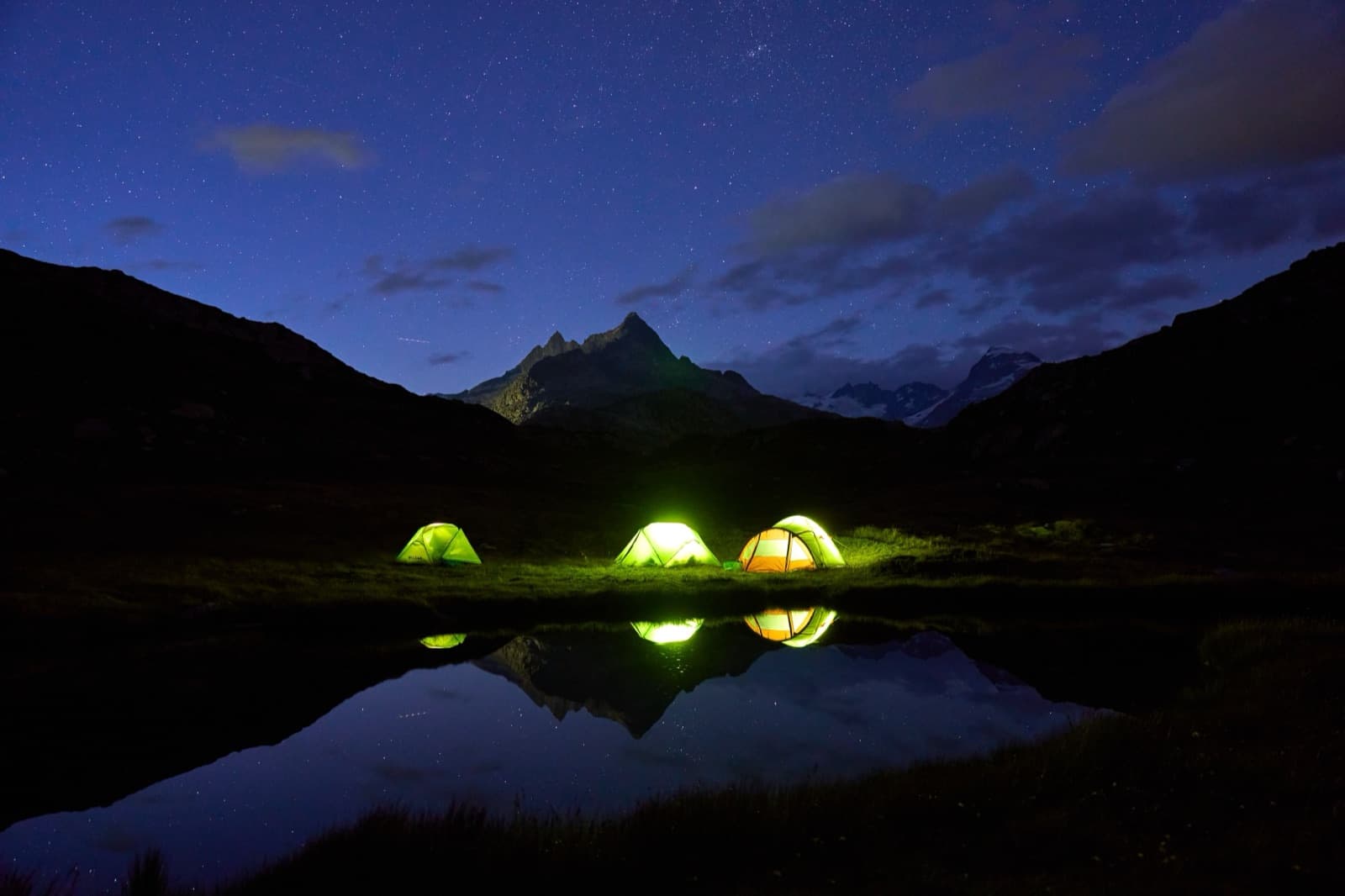
You cannot park anywhere. Freedom camping is permitted only where the local council allows it, and every district writes its own rules. Camping where you should not is a **NZ$400** infringement.
What unlocks the good sites is **certified self-containment** — the vehicle stores its own waste water and has a fixed toilet, and carries a green warrant. With it, several hundred Department of Conservation campsites are open to you, many of them free. Without it, you are in commercial holiday parks every night.
Ask your rental company directly whether the vehicle is certified under the current standard. The rules changed and the transition ended on 7 June 2026; portable toilets no longer count. Full detail in our freedom camping guide.
What do first-timers most often get wrong?
After a few years of handing over keys, the same things come back.
- **Booking too many places.** Every extra stop is a pack-up, a drive and a set-up. Fewer places, more nights.
- **Not leaving a spare day.** The Tongariro Crossing, Milford Sound and the ferry all cancel for weather. One spare day saves the trip.
- **Underestimating drive times.** See above. This is the big one.
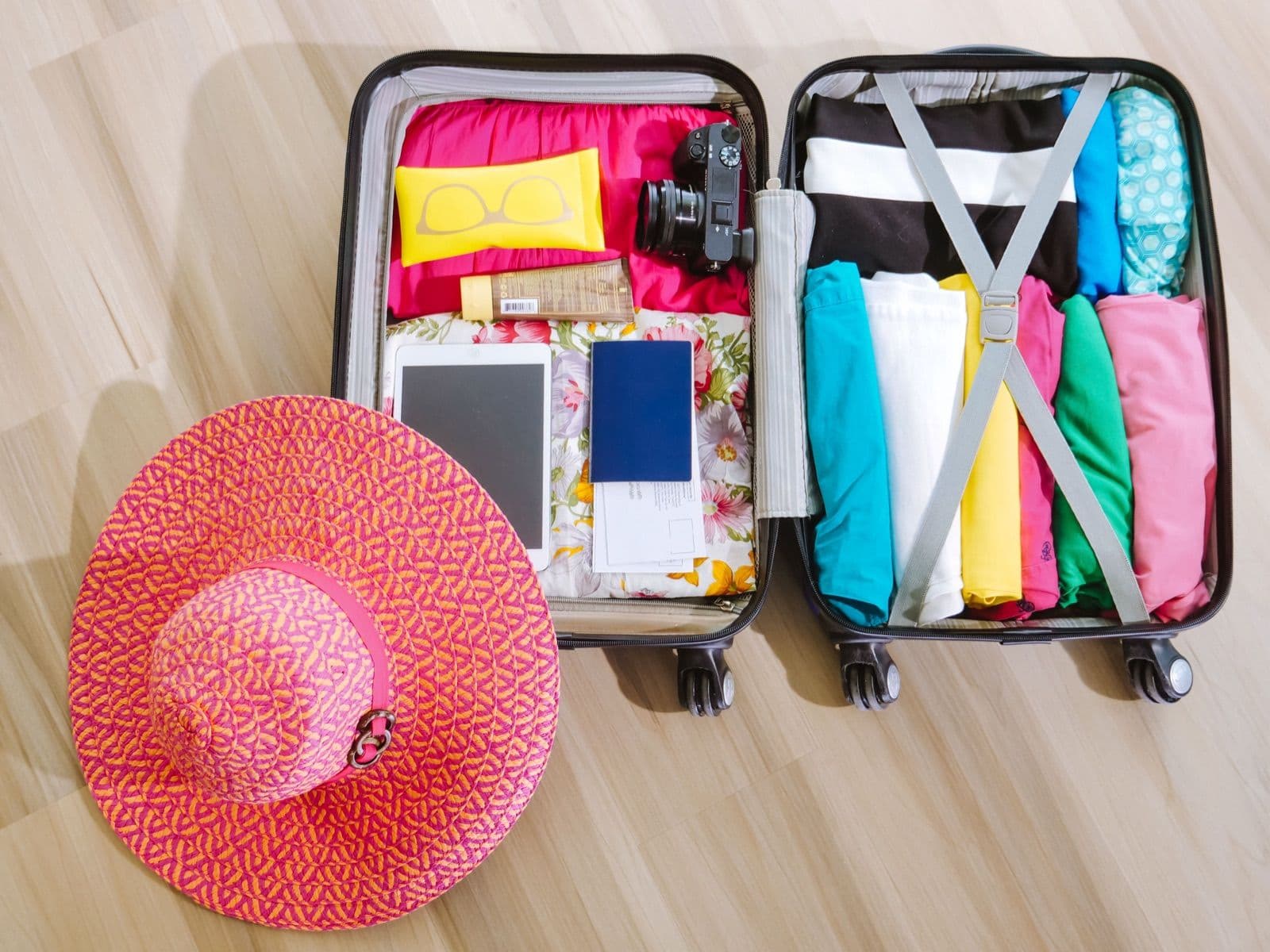
- **Hard suitcases.** There is nowhere to put them. Soft bags fold away.
- **Filling the fresh water tank to the brim.** Water is heavy — around a kilogram a litre — and it costs fuel. Half a tank is plenty between fills.
- **Forgetting the dump station.** Grey water and toilet cassettes need emptying every few days, and you want to do it before it becomes urgent.
- **Not checking the tide.** Hot Water Beach and several coastal walks only work around low tide.
- **Assuming there will be coverage.** Large parts of the South Island have none. Download maps before you leave town.
What is the first day actually like?
Slower than you expect, and worth planning for.
Collection takes an hour or so once you include the walkthrough. Then you want a supermarket — a proper first shop is 45 minutes and about NZ$150 for a week for two. Then you want to get out of the city, because the first night in a campervan is better spent somewhere quiet than beside a motorway.
**Do not plan a long drive on day one.** Two hours is plenty. You are adjusting to driving on the left, in an unfamiliar vehicle, probably jet-lagged.
How do you sleep well in a campervan?
Three things make the difference, and none of them is the mattress.
**Level ground.** Sloping sites are the most common cause of a bad night. Most people carry levelling blocks; failing that, park with the head end uphill.
**Ventilation.** Two people breathing in a small metal box produces a startling amount of condensation. Crack a window or a roof vent even when it is cold, or you will wake up to wet windows and damp bedding.
**Warmth.** Inland and alpine sites drop sharply after dark even in summer. A camper with heating changes what months you can travel comfortably.
What should you ask before you book?
- **Is it certified self-contained**, with a current warrant?
- **What is included?** Bedding, kitchen equipment, camp chairs and a table are separate charges on many fleets.
- **Automatic or manual?** Manual, on the left, with the gearstick in your other hand, is a real adjustment.
- **What is the bond, and is it charged or pre-authorised?** A pre-auth ties up your credit limit for the whole trip.
- **Who answers the phone if something breaks?** And in which time zone.
Our answers are on what is included and in the frequently asked questions, and if you are still choosing between vehicles, the 2-berth and the 4-berth pages set out what fits in each. For a first trip, our North Island route is built around the driving times above rather than against them.
Frequently asked questions
For most travellers, yes. A campervan combines transport and accommodation, lets you freedom camp in spectacular spots, and gives you the freedom to change plans on a whim — which is exactly what New Zealand rewards. It often works out cheaper than car hire plus hotels, too.
It depends on the season and vehicle, but plan a full budget of roughly NZ$3,500–$5,500 for two people over two weeks, including hire, fuel, campsites, food and the ferry. Travelling in the shoulder or winter months brings the cost down noticeably.
Not anywhere — but in a lot of places. With a certified self-contained camper you can freedom camp at hundreds of designated sites, plus paid holiday parks and DOC campgrounds. Use the CamperMate app to see exactly where overnight parking is allowed.
Usually 21, with a full licence held for at least a year. Requirements vary slightly by company, so check when you book. You'll also need an International Driving Permit or an approved English translation if your licence isn't in English.
Related pages
Sources & official info
Written by Lauran & Nikki
Family owners of JustGoodCampers, living in New Zealand and helping travellers explore it by camper. More about us