
TL;DR
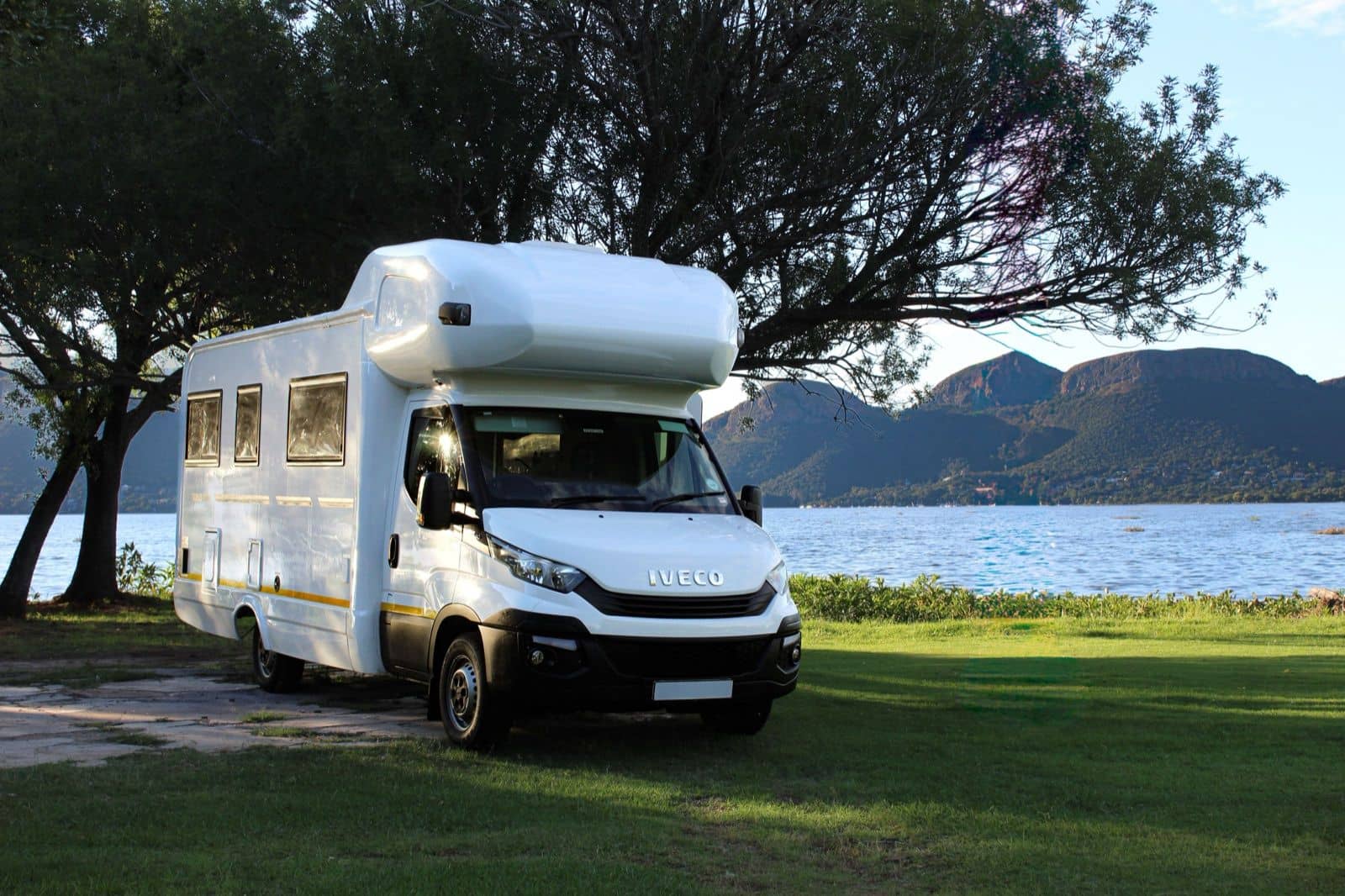
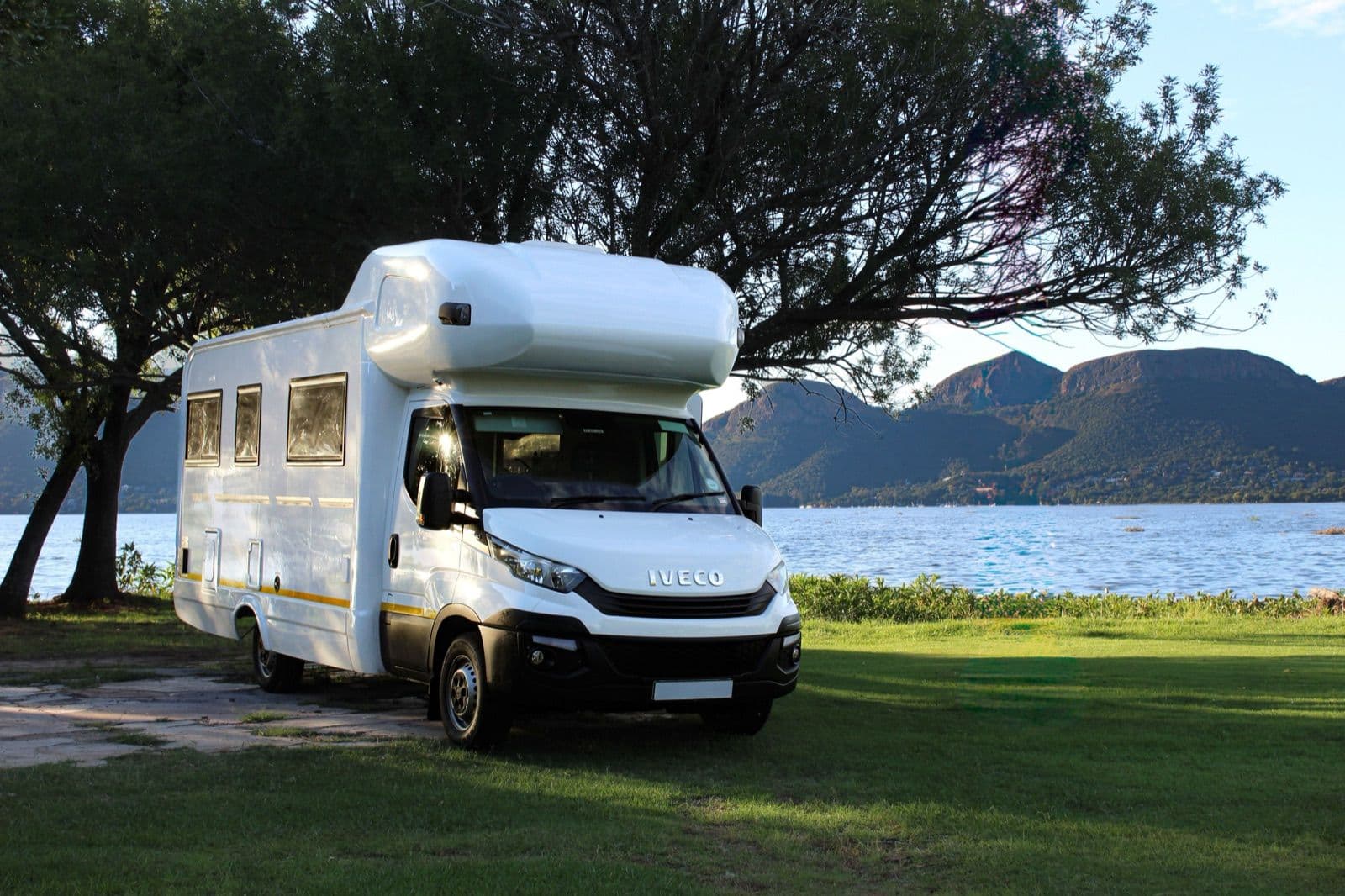
In New Zealand, 'campervan' and 'motorhome' are often used interchangeably, but generally: campervans are smaller (2–4 berth, van-based, easier to drive), motorhomes are larger (6+ berth, coach-built, harder to park). Both JustGoodCampers options are technically campervans — compact enough to drive confidently on New Zealand's winding roads, while still being fully self-contained with onboard toilet, shower, and kitchen. For most international road trippers, a campervan is the better choice: easier to drive, eligible for all freedom camping, and far more practical on narrow South Island roads.
Campervan, motorhome, RV, camper — the words get used interchangeably in brochures and mean different things once you are behind the wheel. In New Zealand the distinction matters more than usual, because it decides which roads you can take and which campsites you can reach.
The short version: a **campervan** is built inside a van body and drives like a large van. A **motorhome** is built onto a truck or van chassis with a wider coachbuilt body behind the cab. Motorhomes give you more room and more facilities; campervans go more places and cost less to run.
Are a motorhome and a campervan the same thing?
No, though the line is blurrier than most articles admit.
A **campervan** keeps the original van shell. You can see it in the shape: the body is one continuous piece from bonnet to back doors, and the roof is either standard height, raised, or a pop-top that lifts when parked.
A **motorhome** has a separate living box built onto a chassis. That box is wider than the cab, usually overhangs it, and often has a bed above the driver. In New Zealand and Australia the word is used more loosely than in Europe, and rental fleets frequently call any four-berth a motorhome regardless of construction.
**RV** is the North American umbrella term for both, plus caravans and trailers. It rarely appears in New Zealand except in imported marketing.
| Typical length | 5–6 m | 6–8 m |
| Sleeps | 2, sometimes 4 | 4–6 |
| Berths | Convertible or fixed double | Fixed beds, often plus a drop-down |
| Bathroom | Compact or none | Separate shower and toilet |
| Fuel use | 9–14 L/100 km | 12–18 L/100 km |
| Narrow roads | Straightforward | Demanding in places |
| Parking in towns | Usually a normal space | Often needs a dedicated bay |
| Living space in rain | Cramped for more than two | You can sit around a table |
Which is better for New Zealand specifically?
It depends on how many of you there are, and it is worth being blunt about the trade.
New Zealand's best driving is on narrow, winding roads, and a lot of the finest campsites sit at the end of one. A campervan handles those without thought. A seven-metre motorhome on the road into Totaranui, or over the Crown Range, is a different kind of afternoon.
Against that: the West Coast reliably rains for days at a stretch, and when it does, your vehicle is your entire living room. Two people can wait out a wet day in a campervan. Four cannot, not comfortably, not for three days.
**Two people: campervan, almost always.** **Four people: motorhome, almost always.** The middle case — three adults, or two adults and two small children — is where it genuinely depends on how much time you plan to spend inside.
Do you really need a toilet on board?
In New Zealand, yes — and not for the reason people assume.
It is not about comfort. A fixed toilet is part of what makes a vehicle **certified self-contained**, and that certification is what allows you to stay at the free and low-cost Department of Conservation sites and at council freedom camping areas. Without it you are in commercial holiday parks every night at NZ$45 to 65 for two.
The law tightened here. Since the transition ended on 7 June 2026, a **fixed** toilet is required — portable toilets no longer qualify, whatever older guides say. Our freedom camping guide sets out what changed.
So the honest answer is that the toilet earns its space several hundred dollars over a fortnight, and opens the campsites people actually come here for.

What are the disadvantages of a campervan?
Four, and they are real.
- **Space when the weather turns.** Everything happens in one room, and that room is about the size of a small bathroom.
- **Converting the bed.** Many 2-berth layouts turn the seating into the bed, so every evening and morning involves rearranging.
- **Limited storage.** Two people with large suitcases will struggle; soft bags are the answer.
- **Shower and toilet are compact.** Functional rather than pleasant, and on some layouts they share a cubicle with the shower head above the toilet.
And the corresponding disadvantages of a motorhome: fuel, size on narrow roads, parking in towns, and a higher nightly rate for the same trip.
How much does the size difference cost you?
Two ways, and the running cost is the one people forget.
A campervan uses roughly 9 to 14 litres per 100 km; a motorhome 12 to 18. At NZ$2.692 a litre for diesel (MBIE, August 2026) and 2,000 km of driving, that difference is somewhere between NZ$160 and NZ$215 across a fortnight.
The rate matters more. Our 2-berth runs NZ$119 to NZ$389 a night by season; the 4-berth NZ$235 to NZ$595. Over fourteen nights in April that is NZ$3,150 against NZ$4,690 — a difference of NZ$1,540, which buys a lot of dinners out.
Which is worth it if you need the space, and pure cost if you do not. Our full cost breakdown itemises everything else.
What should you actually check before booking?
- **Is it certified self-contained**, with a current green warrant? This decides where you may legally sleep.
- **How does the bed work?** Fixed, or converted from the seating every night? Ask for a photo of both states.
- **What is the height?** You need it for car parks, drive-throughs and some service station canopies.
- **Is the transmission automatic or manual?** Manual on the left with the gearstick in the other hand is an adjustment.
- **What is included?** Bedding, kitchen kit, chairs and a table are separate charges on many fleets and are the difference between a cheap rate and a cheap trip.
Our own answers are on the campers page: a compact 2-berth, a 4-berth motorhome, and a petrol 2-berth joining the fleet. All self-contained, all with the same things included. What the 4-berth is like to live in and drive is set out on our motorhome and RV rental page.
Frequently asked questions
A campervan is built on a van chassis — more compact, easier to drive and park, usually 2–4 berth. A motorhome is built on a truck or bus chassis — larger, with more living space and beds (4–6+ berth), but harder to manoeuvre and sometimes restricted from smaller freedom-camping spots.
For most visitors, a campervan. New Zealand's best roads are winding and often single-lane, and viewpoint car parks suit smaller vehicles. A compact, self-contained campervan fits everywhere and is eligible for all freedom camping.
If you want to freedom camp, yes. Only certified self-contained vehicles with a fixed toilet can use most free and DOC overnight sites. Both our campers are self-contained, which opens up the country's best camping.
Mainly space — a campervan has less room than a large motorhome or a hotel. The trade-off is that it's far easier to drive, cheaper to run and welcome in more places. Choosing the right size for your group solves most of the compromise.
Related pages
Sources & official info
Written by Lauran & Nikki
Family owners of JustGoodCampers, living in New Zealand and helping travellers explore it by camper. More about us